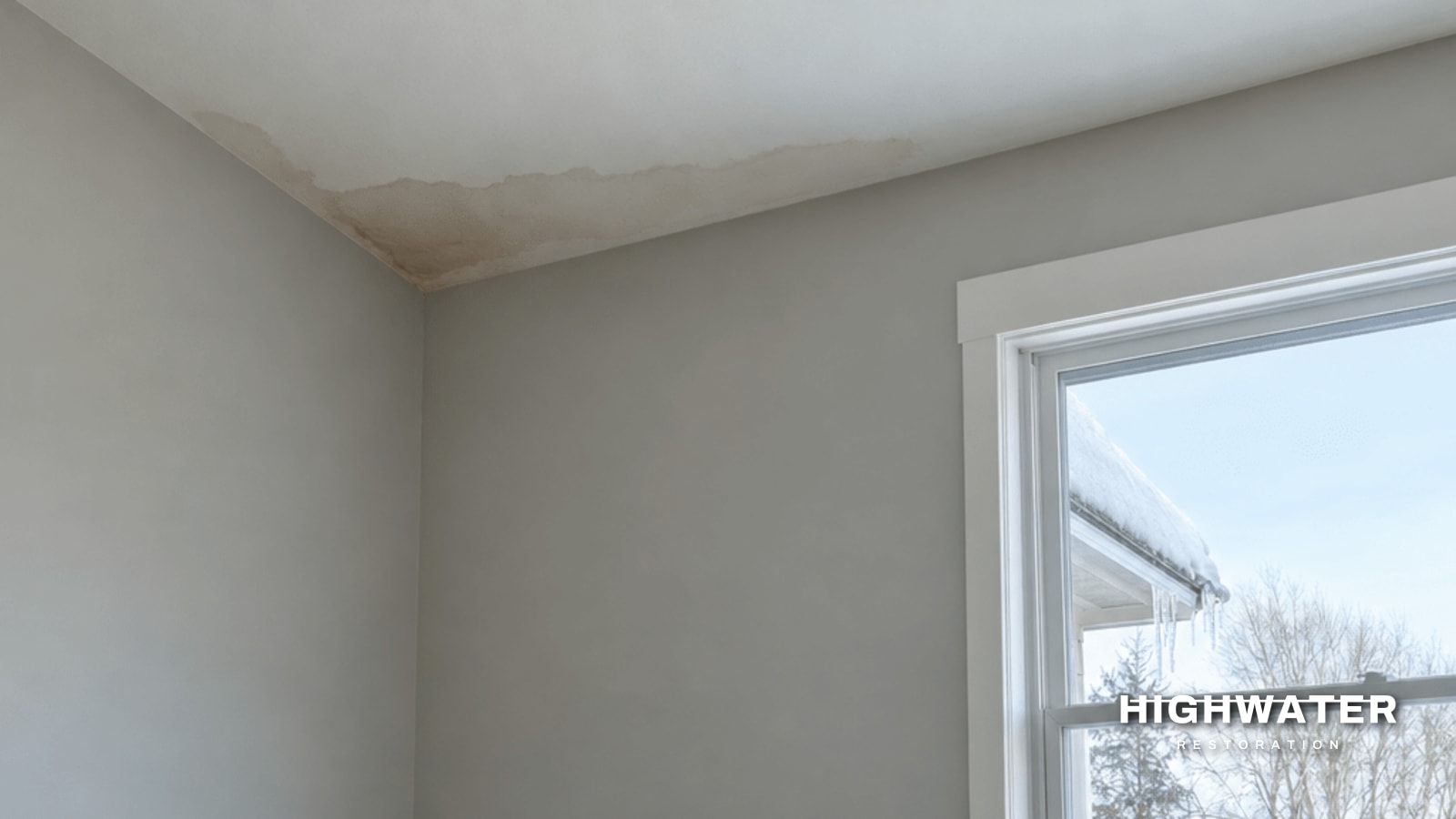
A water stain on the ceiling means water has reached the drywall from above: a bathroom or supply line, a pipe that froze and split, or melt from an ice dam working its way under the roof. Find and stop the source first, keep clear if the ceiling sags, and have the drywall and the space above it checked with a moisture meter before anyone paints over the stain.
Across the Salt Lake Valley and up in Park City and Heber, the first cold weeks of the season are when these stains tend to appear. When a claim is involved, we'll help you navigate it from the first call.
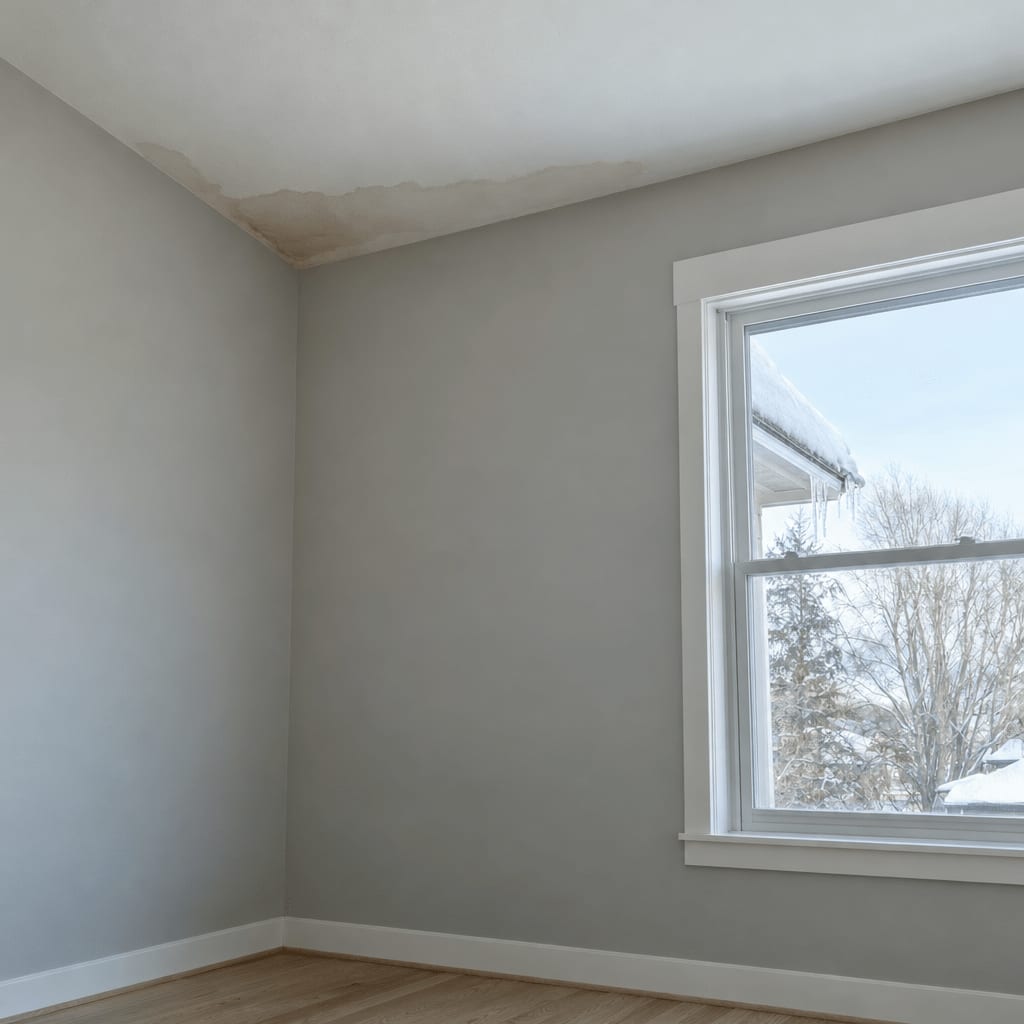
Where the water is coming from
In a Utah winter, most ceiling stains trace back to one of three sources.
A bathroom or supply line above
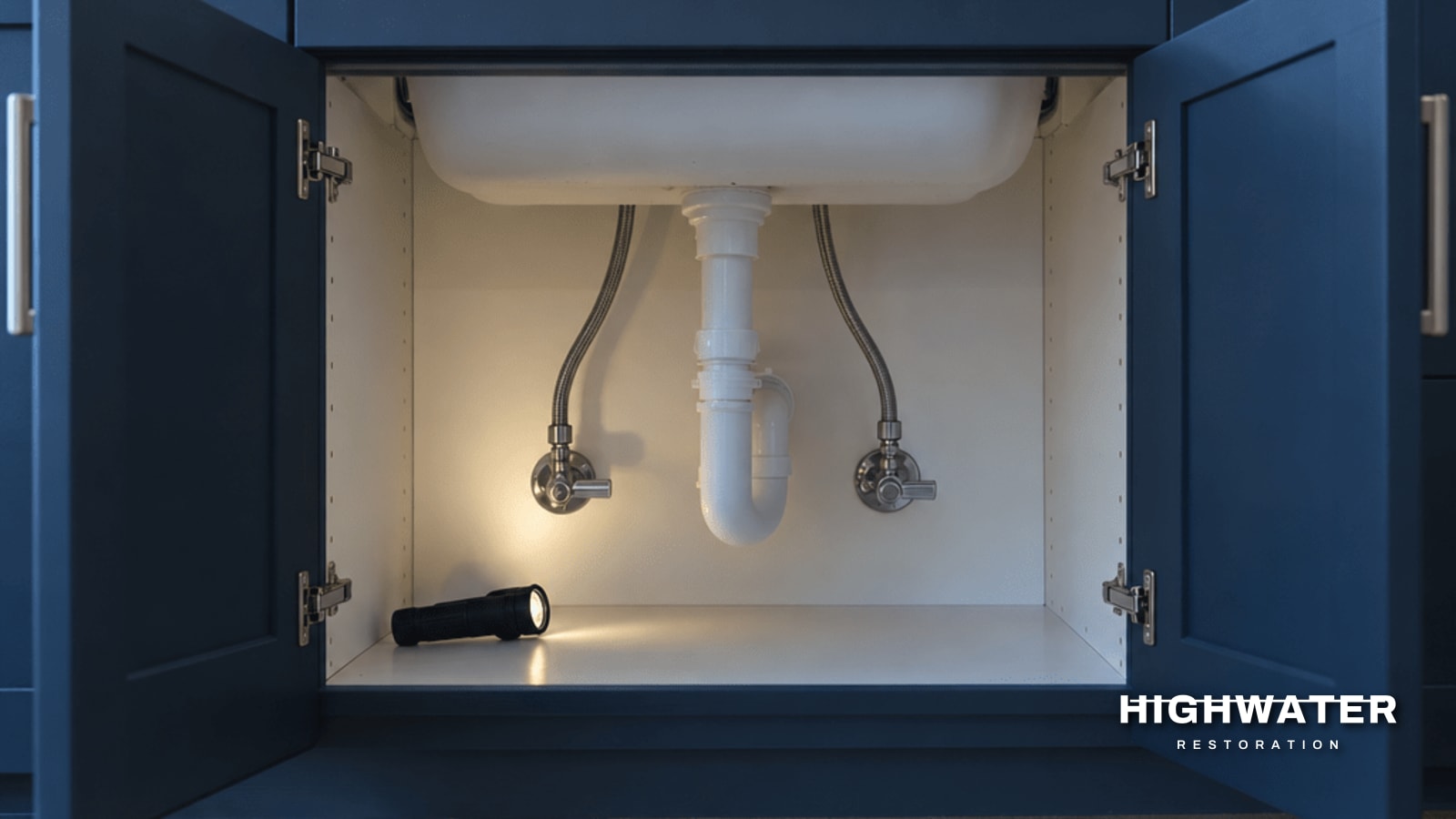
A failed wax ring under a toilet, a leaking shower pan, a loose supply line to a sink or toilet, or a washing machine on the second floor can all send water down into the ceiling below.
A pipe that froze
Pipes in outside walls, in the attic or above a garage can freeze on the first hard nights of the season. Ice expands inside the pipe and splits it, and the leak often starts days later, when the weather warms and the ice thaws. A stain near an outside wall after a cold snap often points to a frozen pipe. Our frozen pipe prevention guide covers how to keep it from happening again.
An ice dam
Heat escaping into the attic melts the snow on the roof. The melt runs down to the cold eaves, refreezes into a ridge of ice, and the water behind that ridge backs up under the shingles and drips into the ceiling, usually along an outside wall. Ice dams are most common in the heavier snow of Park City and Heber, but valley homes get them too. Our ice dam prevention guide explains why they form and how to stop them.
Why the stain shows up away from the leak
Water does not always drip straight down. It runs along ceiling joists, follows pipes and wiring, and spreads across the top of the drywall until it finds a low point, a seam or a light fixture to come through. A stain six feet from the bathroom can still be the bathroom.
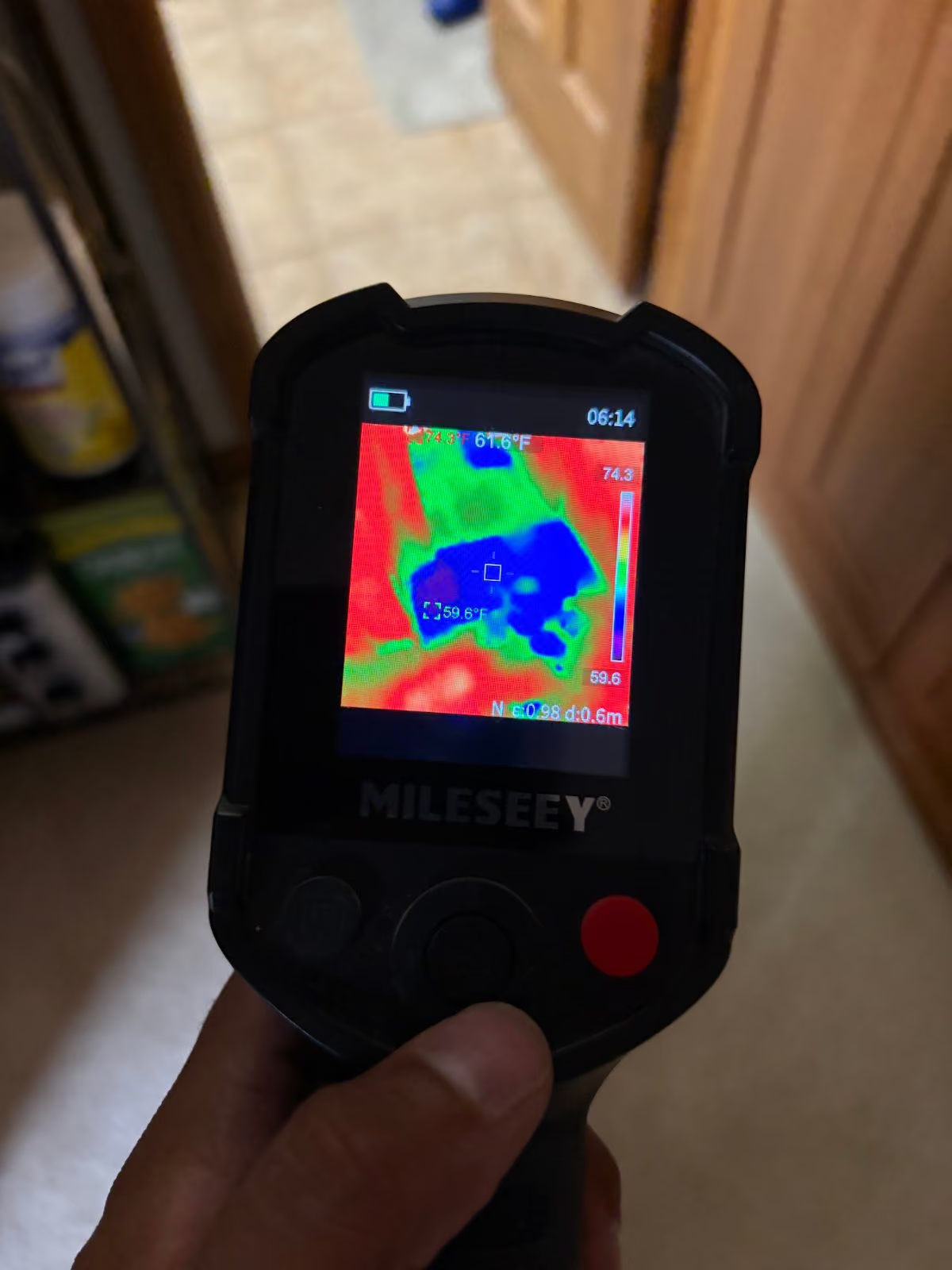
Insulation above the ceiling also holds water, so a stain can keep spreading after the leak stops. A moisture meter and a thermal camera show where the ceiling and the space above it are wet, not just where the stain is.
What to do in the first hour
These steps keep the damage small and give your insurer a clear record:
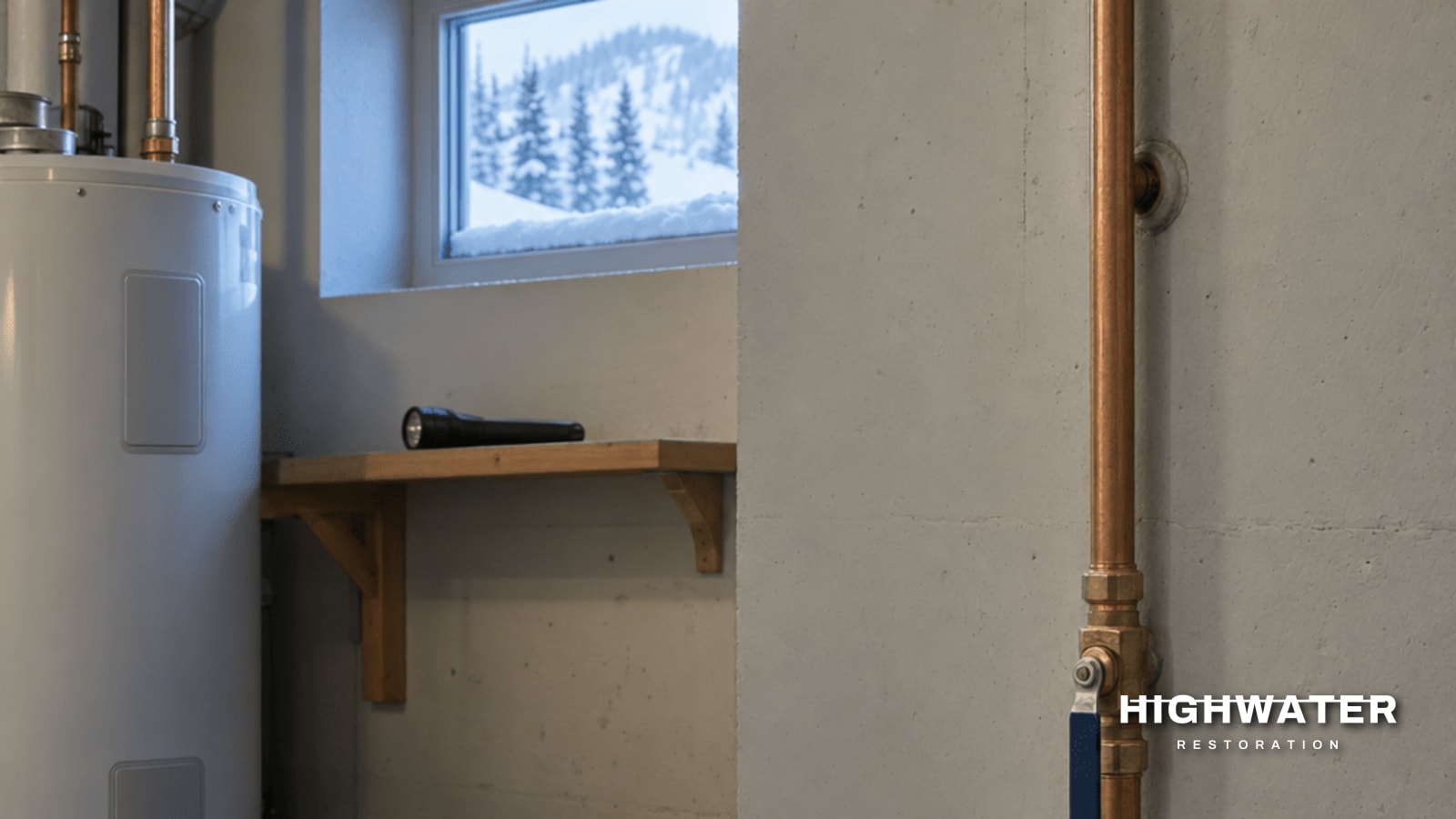
- Stop the water if it is plumbing: close the valve for the fixture, or the main water valve if you cannot find the source. If a frozen pipe is the cause, keep the heat on in the house.
- Keep clear of a sagging ceiling: a bulge means the drywall is holding water and can give way. Do not poke it, and switch off the breaker for any light fixture in that ceiling.
- Protect what is below: move belongings out of the way and catch any drip.
- Take photos: the stain, the room around it and the source if you can see it, before anything is moved or cleaned up.
- Stay off an icy roof: if you suspect an ice dam, leave the roof alone and deal with the ceiling inside.
- Call your insurer and a restoration company: report the leak, then get the ceiling checked and drying started.
Time matters. Wet drywall and insulation can start growing mold within 48 to 72 hours, and a frozen pipe needs attention immediately, because it can keep leaking as it thaws.
When drying saves the drywall and when it has to come out
Not every wet ceiling needs to be replaced. Drying in place usually works when:
- The water was clean: a supply line or a frozen pipe, not an overflowing toilet.
- It was caught early: the drywall is still firm and has not started to sag or crumble.
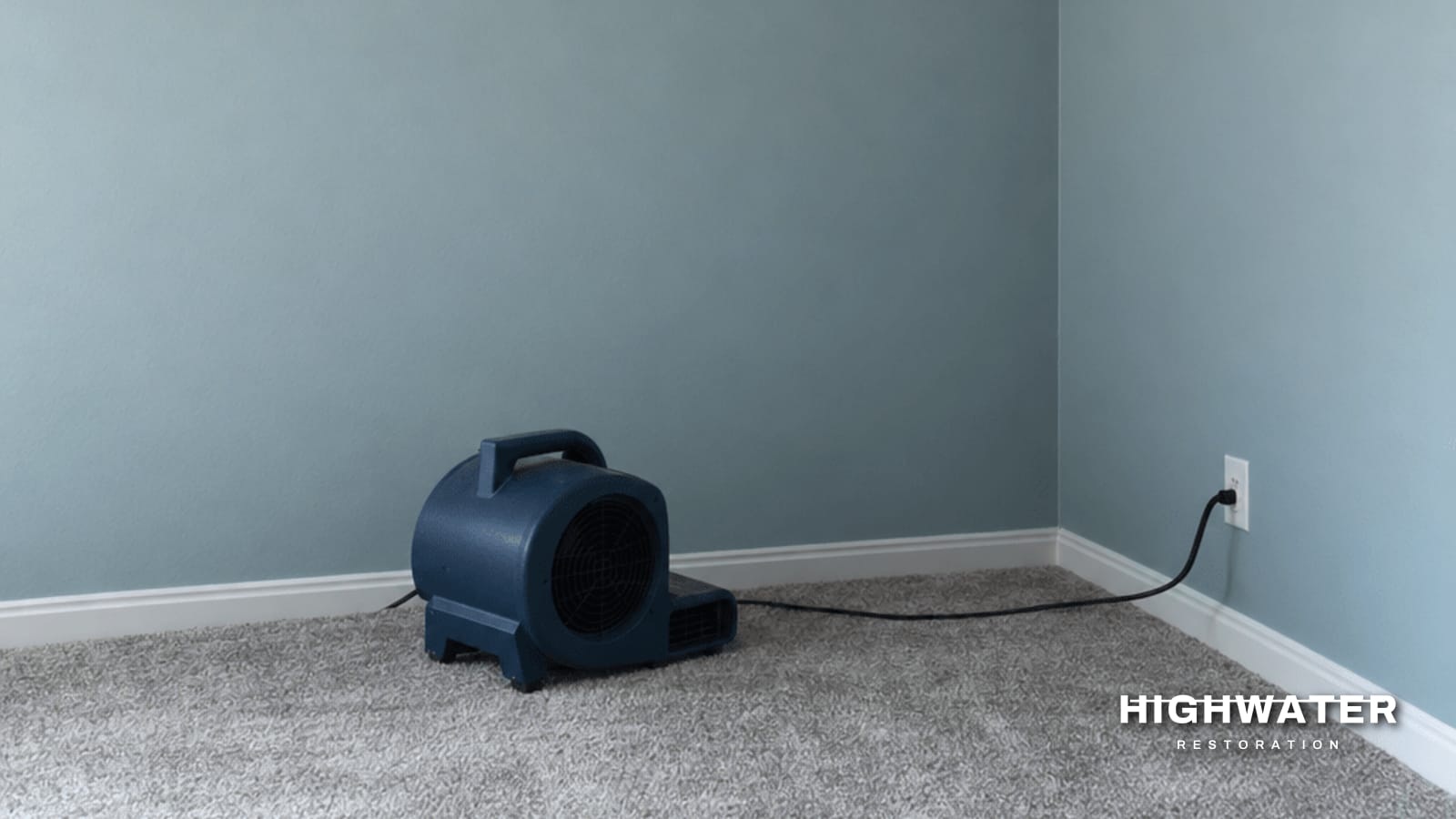
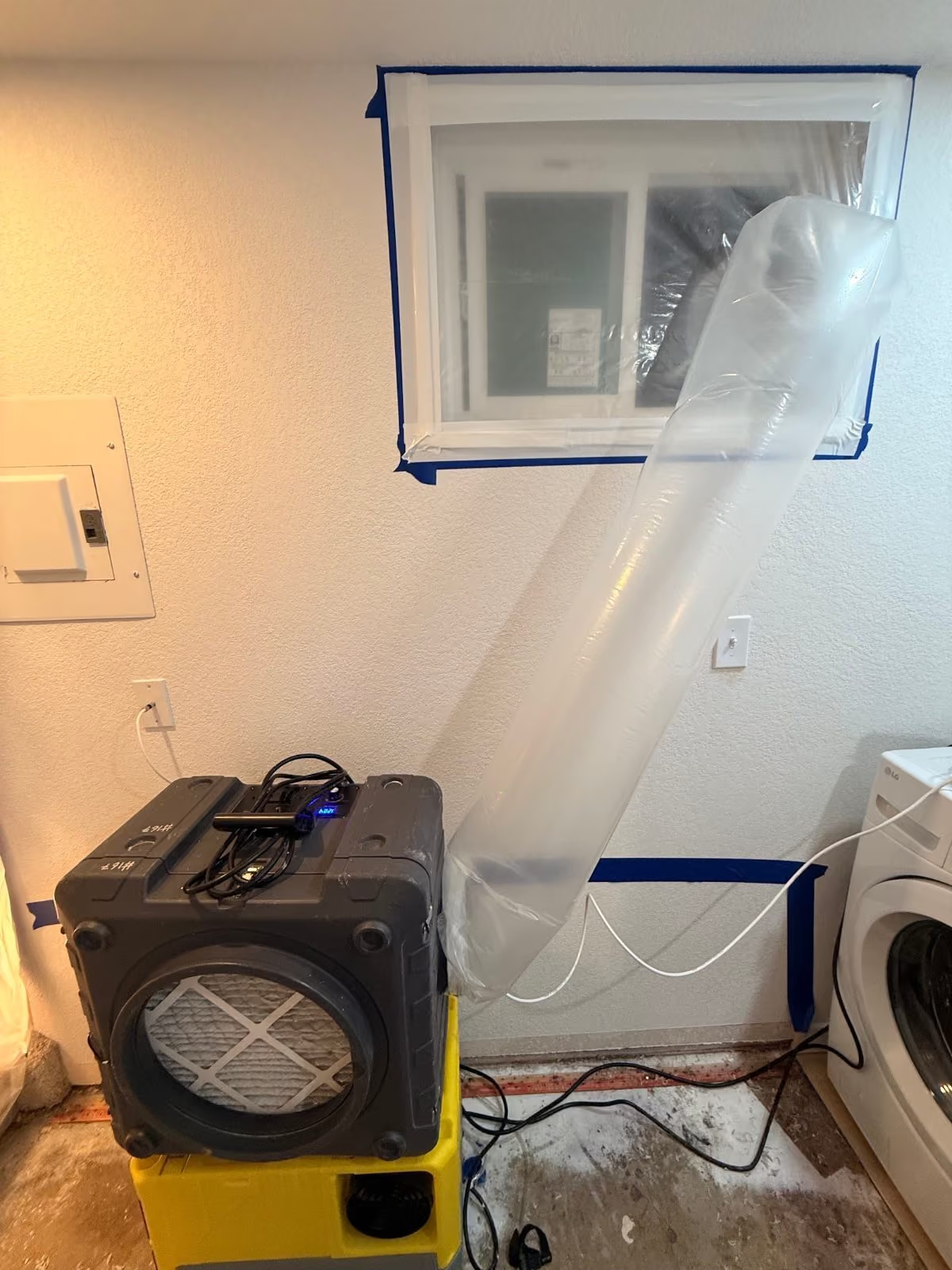
- The space above can be dried: air movers and dehumidifiers reach it, sometimes through a few small holes that are patched afterward.
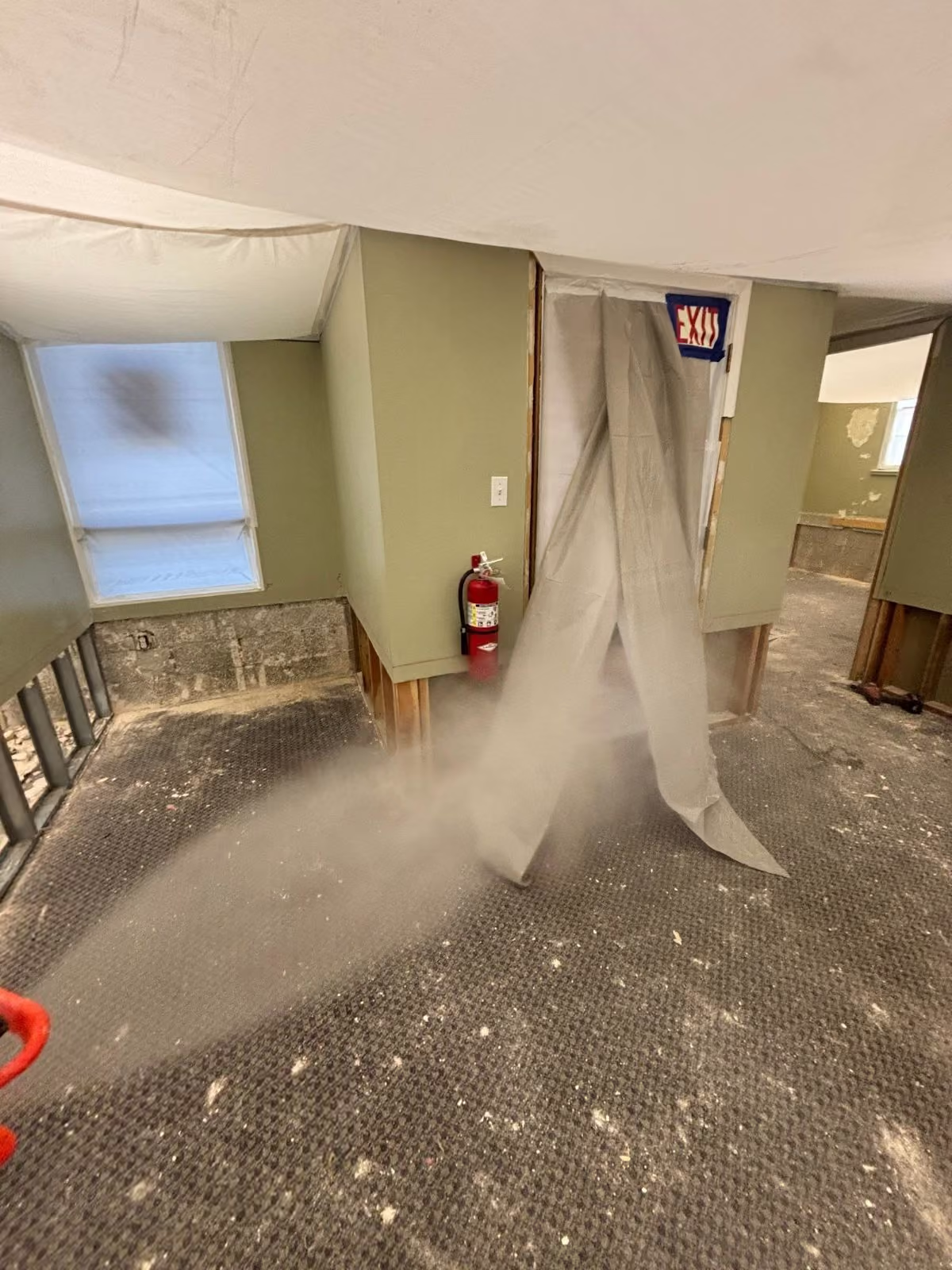
The ceiling usually has to be cut out when the drywall is soft or sagging, when the insulation above it is soaked through, when the water sat for days or came from a dirty source, or when mold has started. Even then, only the wet section comes out, cut back to dry material that the meter confirms. Our water damage restoration page explains how the drying is done and recorded.
How insurance usually treats a sudden leak
Many homeowner policies cover sudden water damage, such as a supply line that bursts or a pipe that splits in a freeze, and often the interior damage an ice dam causes. They often do not cover damage from a slow leak that ran for months, or the cost of repairing the pipe or the roof itself. Coverage for frozen pipes can also depend on whether the home was kept heated.
Every policy is different, so ask your agent how yours reads. On most covered losses, the deductible is the number that matters for what you pay. Our Utah water damage insurance claims guide walks through how a claim usually runs, and for homes in the mountains, see our Park City page.
Call Highwater Restoration 24/7 for a water-stained ceiling anywhere in the Salt Lake Valley, Park City and Heber City.
Frequently asked questions
These are the questions homeowners ask most often when a stain appears on the ceiling.
Can I just paint over a ceiling water stain?
Not until the source is fixed and the drywall and the space above it are dry by meter. Paint over damp drywall traps the moisture inside, and the stain usually comes back. Once everything is dry, a stain-blocking primer and a fresh coat of ceiling paint finish the job.
Who do I call first, my insurance company or a restoration company?
Both, on the same day. Report the leak to your insurer so the claim is open, and call a restoration company so the ceiling is checked and drying starts. Waiting for an adjuster before drying begins usually makes the damage, and the claim, bigger.
How long does a wet ceiling take to dry?
A small, clean leak caught early can dry in a few days, while a soaked ceiling with wet insulation above it takes longer. The meter readings decide when it is done, not the calendar.