
Water damage restoration in the Salt Lake Valley & Park City, Utah
Around-the-clock water extraction, structural drying, and insurance-grade documentation across the Salt Lake Valley and Wasatch Back, from local crews in West Jordan and Park City who can be on site fast.
Tell us what happened. A real person, not a scheduler, calls you right back, day or night.
Keep your phone nearby. If water is still spreading, shut off the main valve now, it’s usually in the basement or crawl space, on the street-facing wall.
What to do in the first 60 minutes
Water spreads by the minute. If it is safe to do these five things while we are on the way, you will save materials, money, and drying time.
Call Highwater
A real person answers 24/7, starts your documentation, and dispatches the nearest crew.
Stop the water
Shut the main valve, usually in the basement or crawl space on the street-facing wall, or close the fixture's supply stop.
Kill the power
If water is near outlets or the panel, flip the breaker for that zone. If you cannot do it safely, stay out and tell us.
Photograph it all
Capture the source, standing water, and damaged items before you move anything. Your claim leans on it.
Lift what you can
Get furniture, rugs, electronics, and keepsakes up out of the water. Skip anything near sewage or live power.
Clean, gray, or black. The water decides everything.
Every water loss falls into one of three categories, and the category sets the rules: what we can dry in place, what has to be removed, and the protective steps our crew takes on site. Knowing which one you are dealing with is the first real decision in any water damage restoration job.
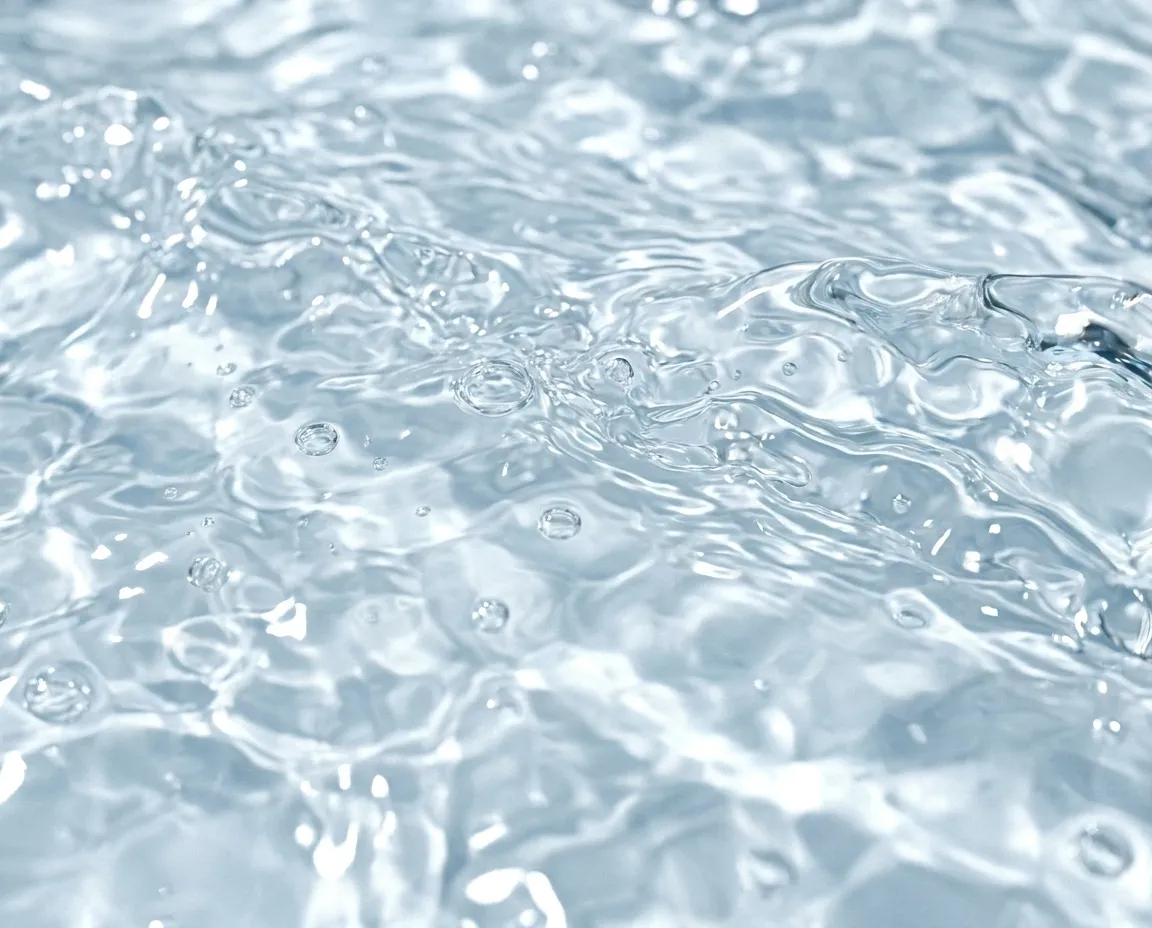
Clean supply water
Burst supply lines, water-heater intake, snowmelt intrusion. Clean at the source, but it slips to gray water after about 48 hours of sitting.
What we do: fast extraction and in-place structural drying that saves the floors and walls that demolition would take.
See burst & frozen pipe cleanup →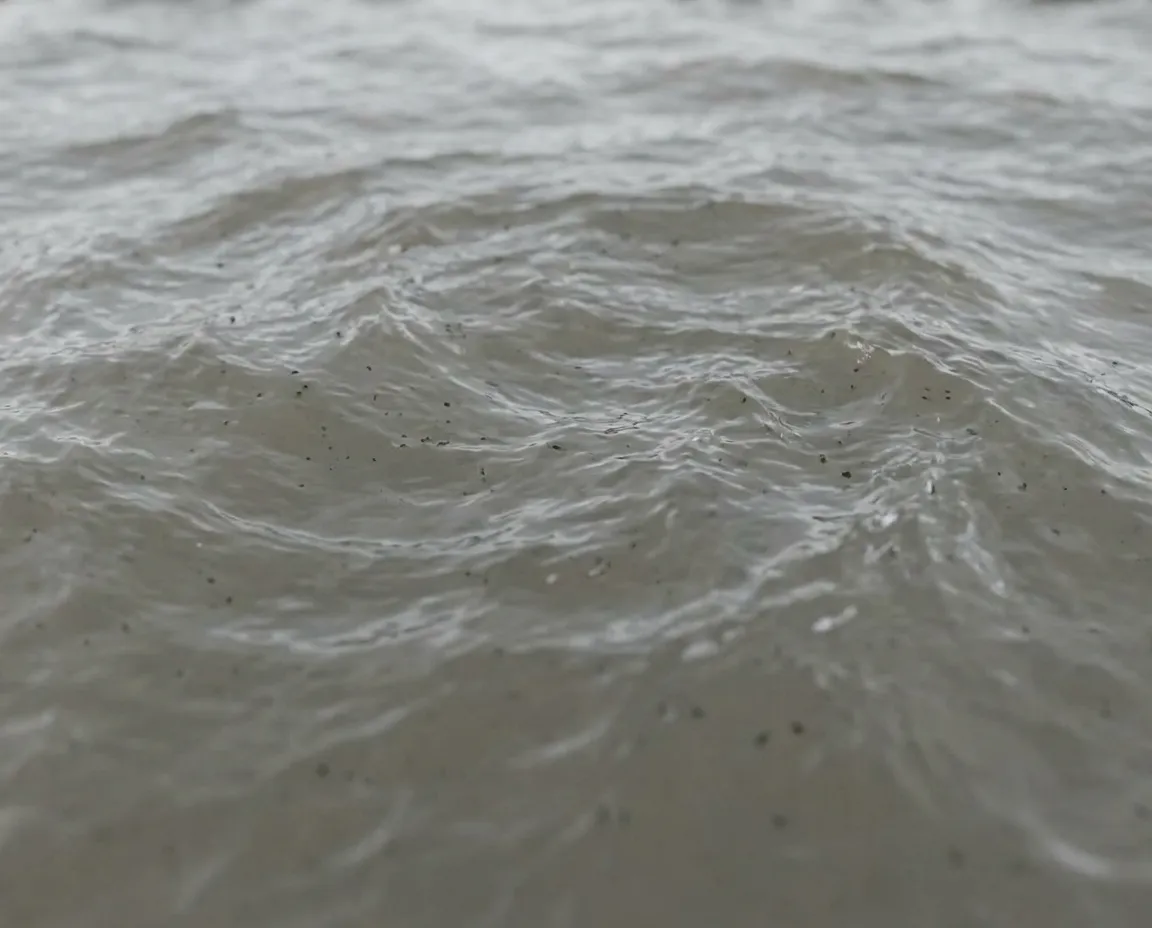
Gray water
Appliance discharge, water-heater tanks, aquarium and hydronic failures. It carries detergents and bacteria, so it is not safe to leave sitting.
What we do: extraction plus antimicrobial treatment, with porous materials assessed honestly, some dry, some go.
See appliance & water-heater leaks →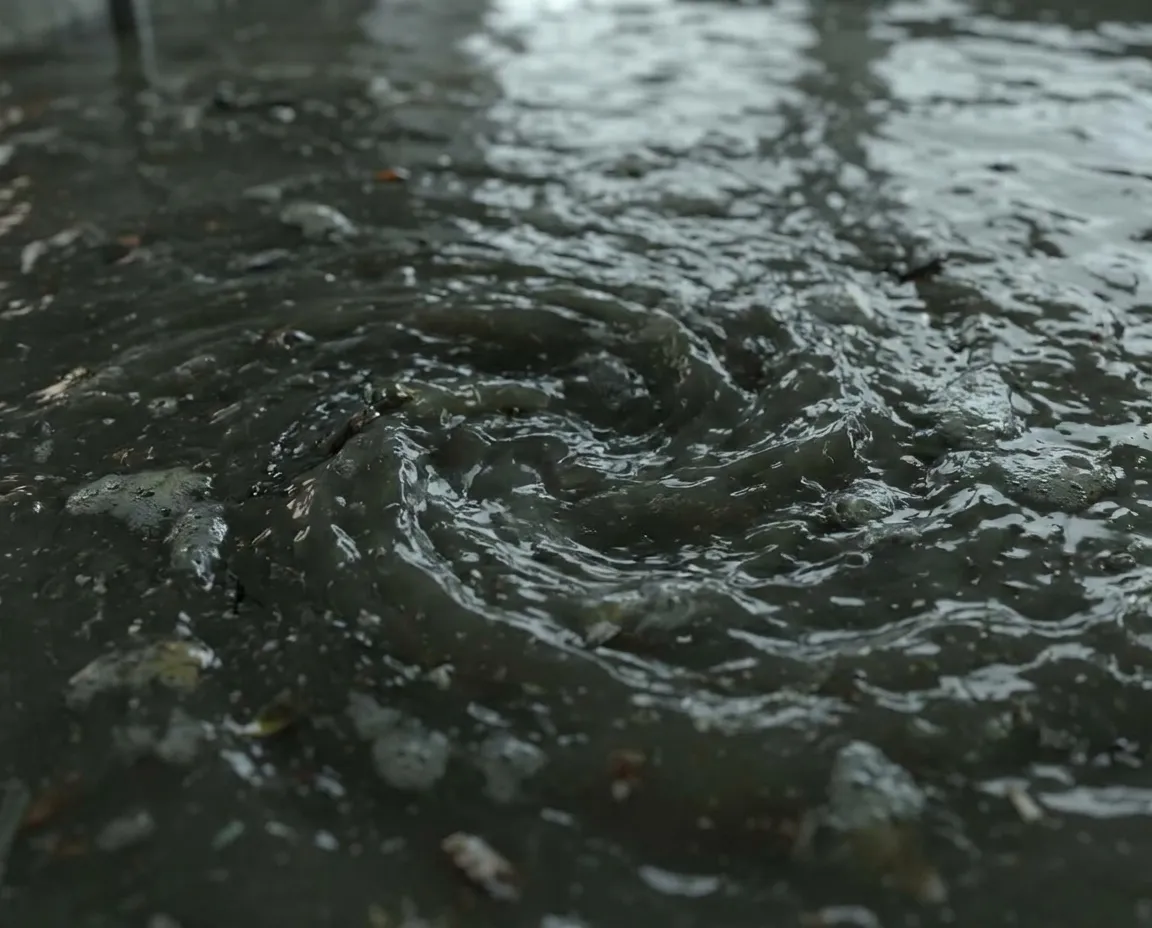
Black water & sewage
Sewer backups and outside flooding carry pathogens. Do not touch it, do not run fans, and keep kids and pets well clear until we arrive.
What we do: full containment and PPE, removal and lawful disposal of contaminated materials, then verified sanitation.
See sewage backup cleanup →Not sure which one you have? Read our plain-English guide to the three water categories. If a house fire is involved, the water that put it out is our job too, see fire & smoke damage restoration.
Seven water jobs we run across the valley every week
From flooded basements in West Jordan to burst pipes in the Park City hills, these are the calls that fill our schedule. Open any one for the full rundown and what recovery looks like.
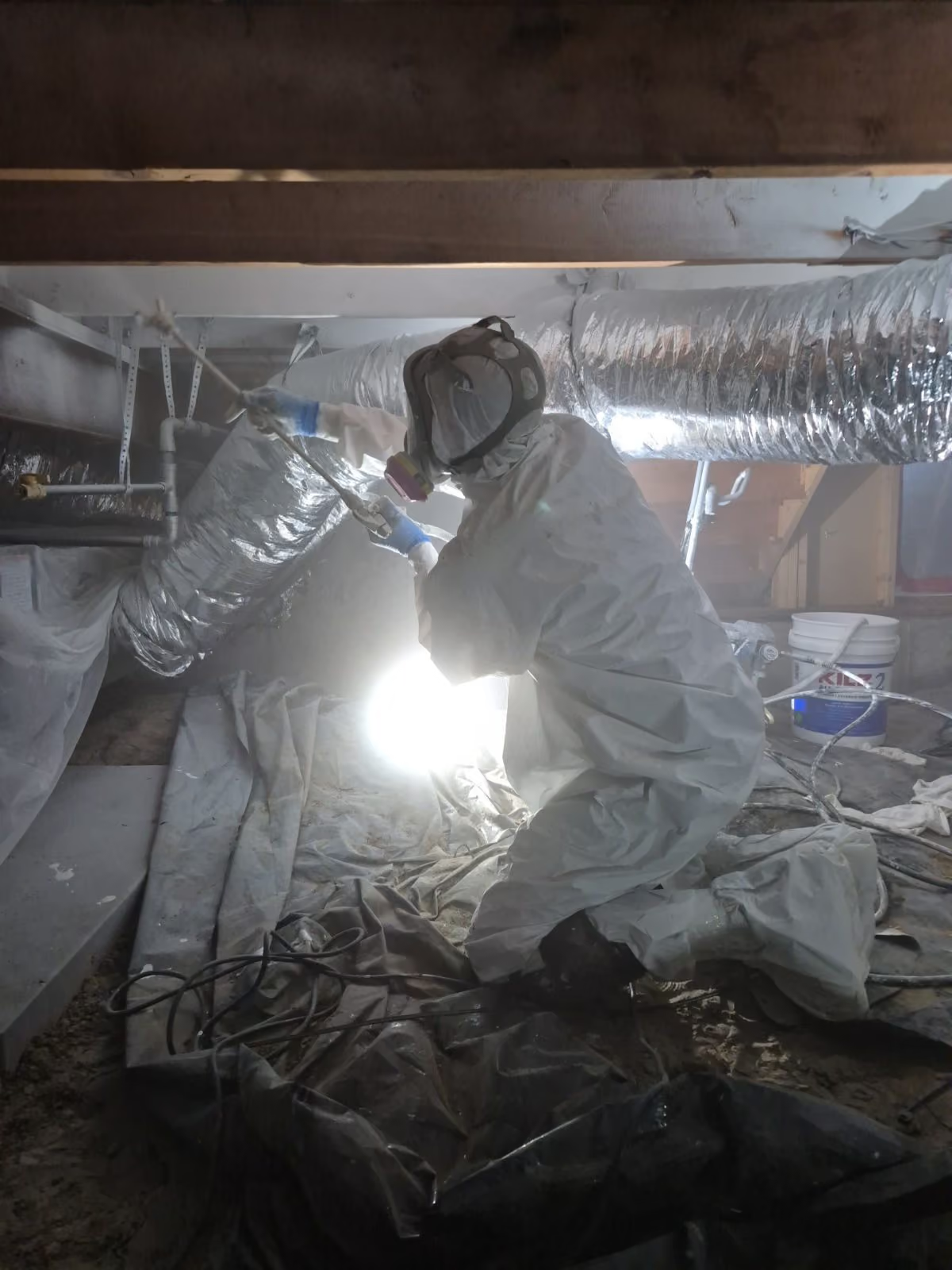
Flooded basement cleanup
Pump-out, drying, and salvage, whether it is an inch or a foot, finished or unfinished.
Flooded basement cleanup →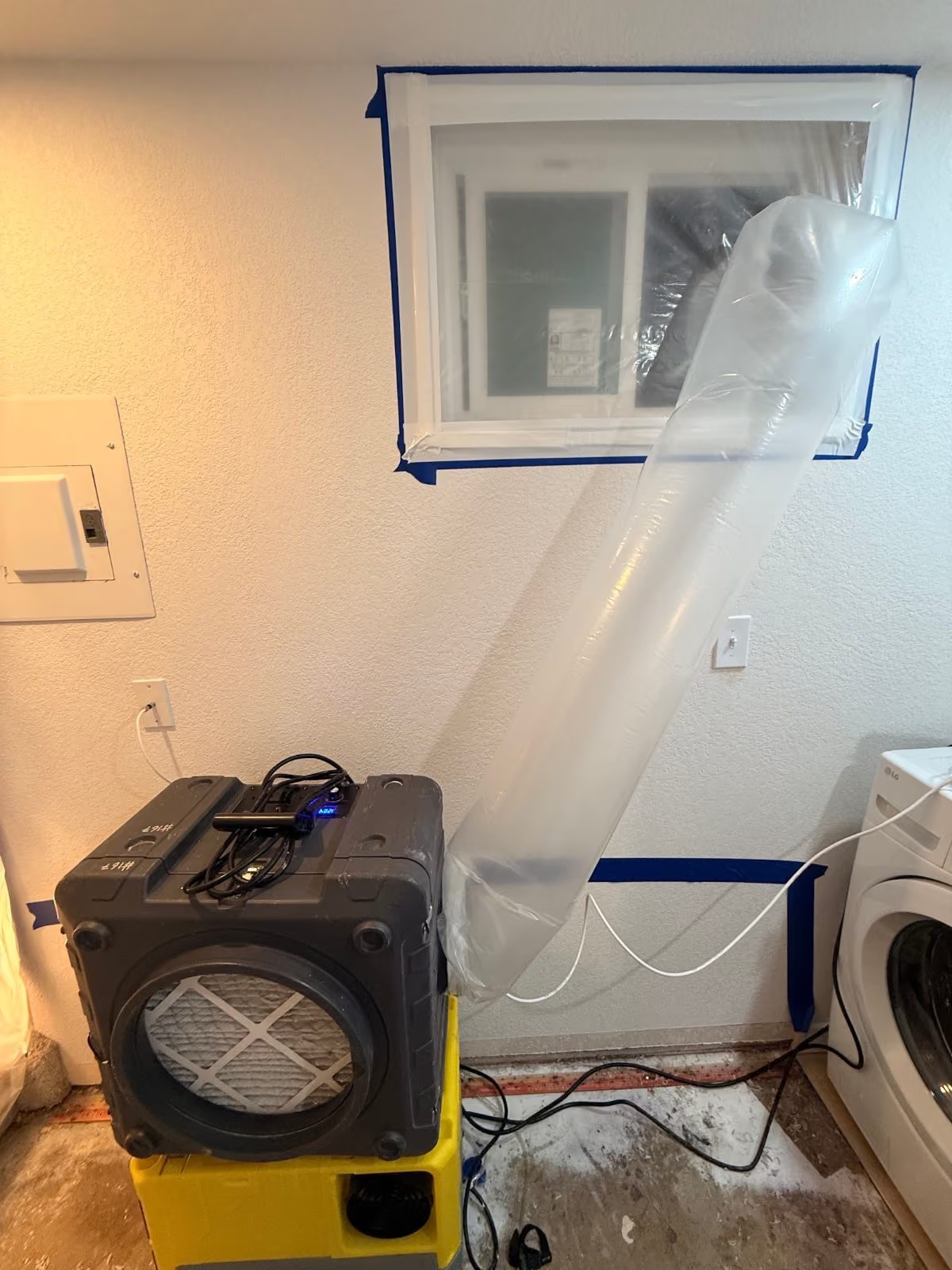
Emergency water extraction
Truck-mount extraction for standing water, any hour of the day or night.
Emergency water extraction →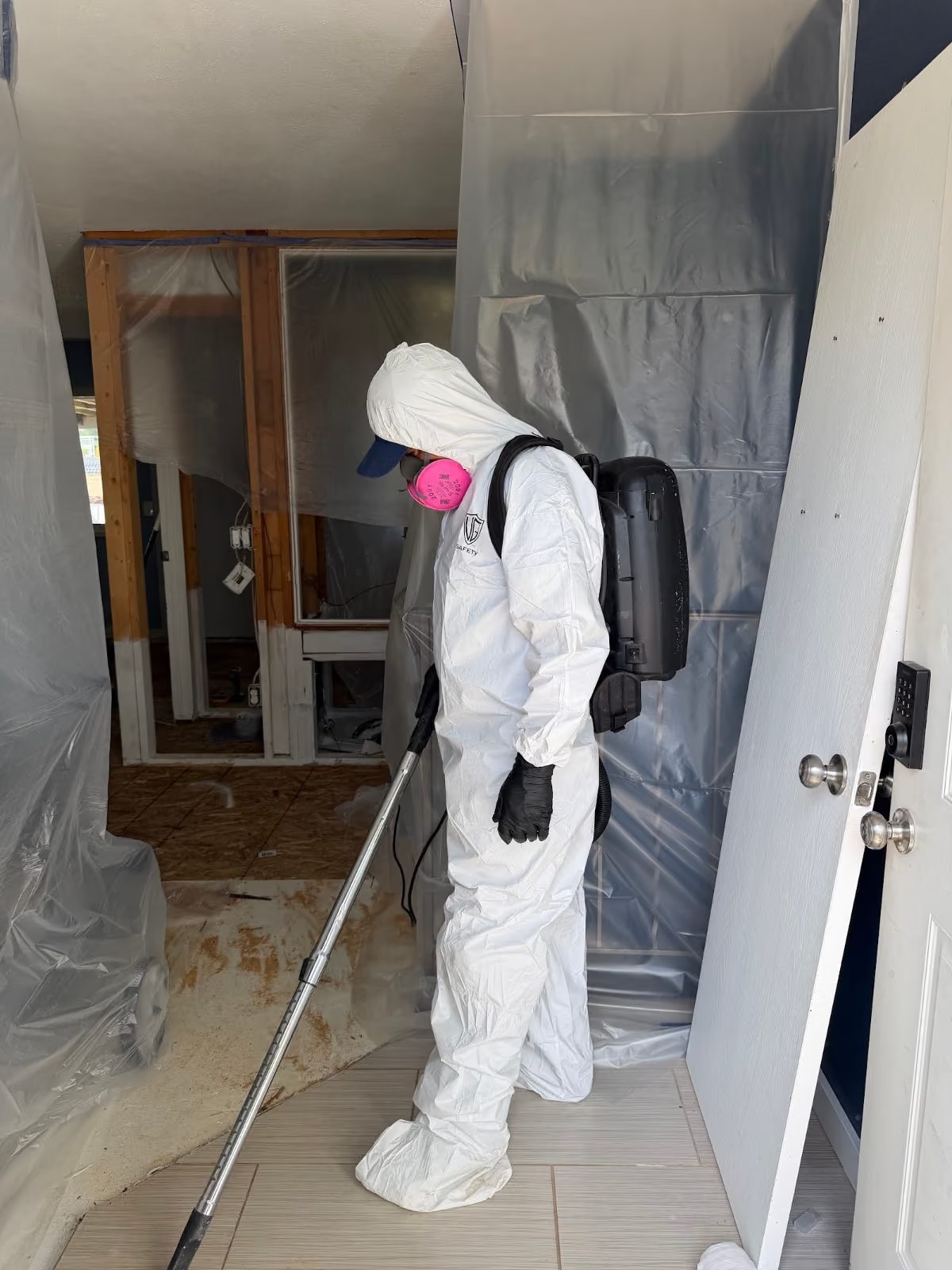
Odor removal
Water, smoke, mold, pet, and biohazard odors, removed at the source, not sprayed over.
Odor removal →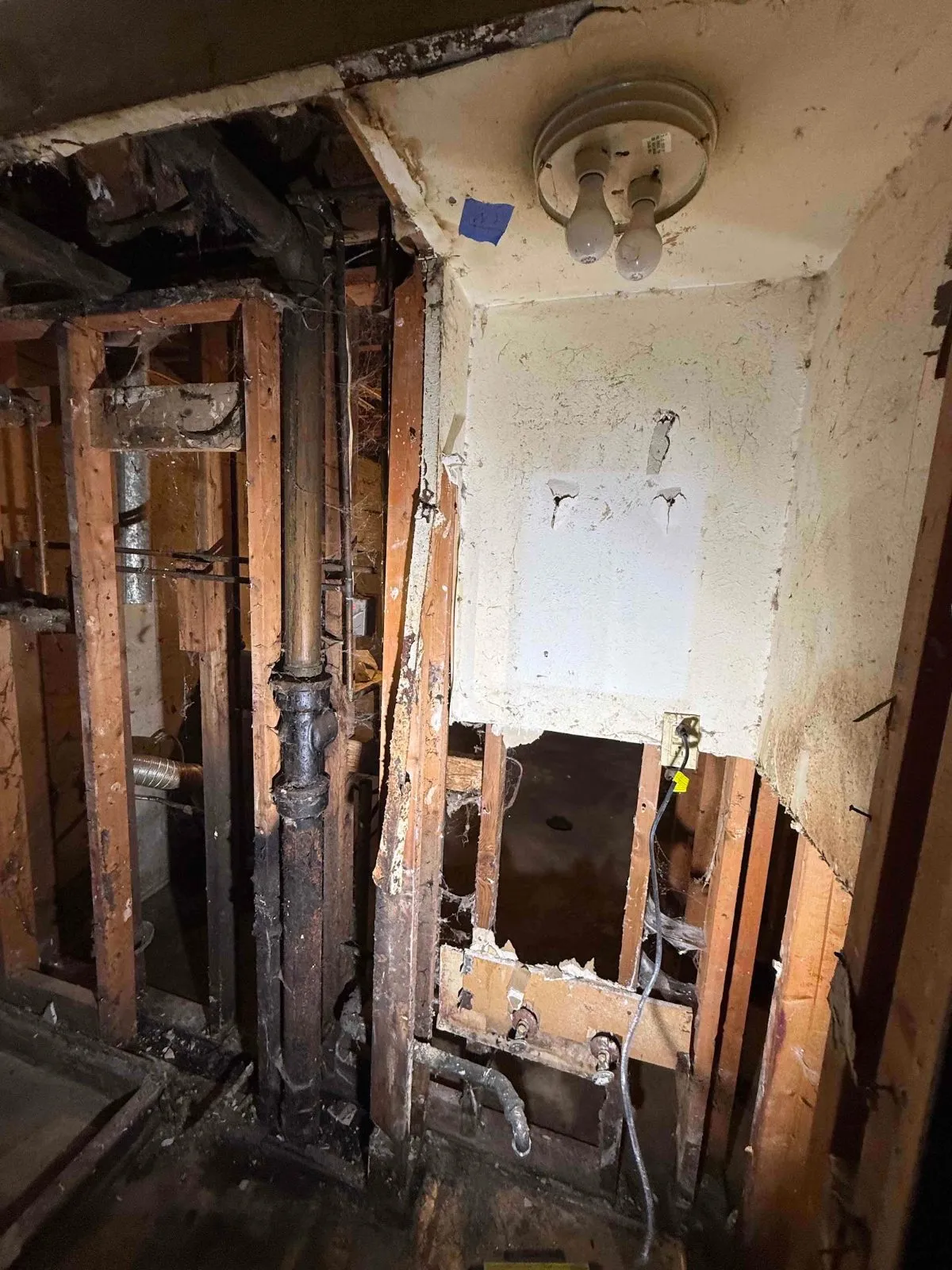
Sewage backup cleanup
Category 3 containment, removal, and verified sanitation, handled safely.
Sewage backup cleanup →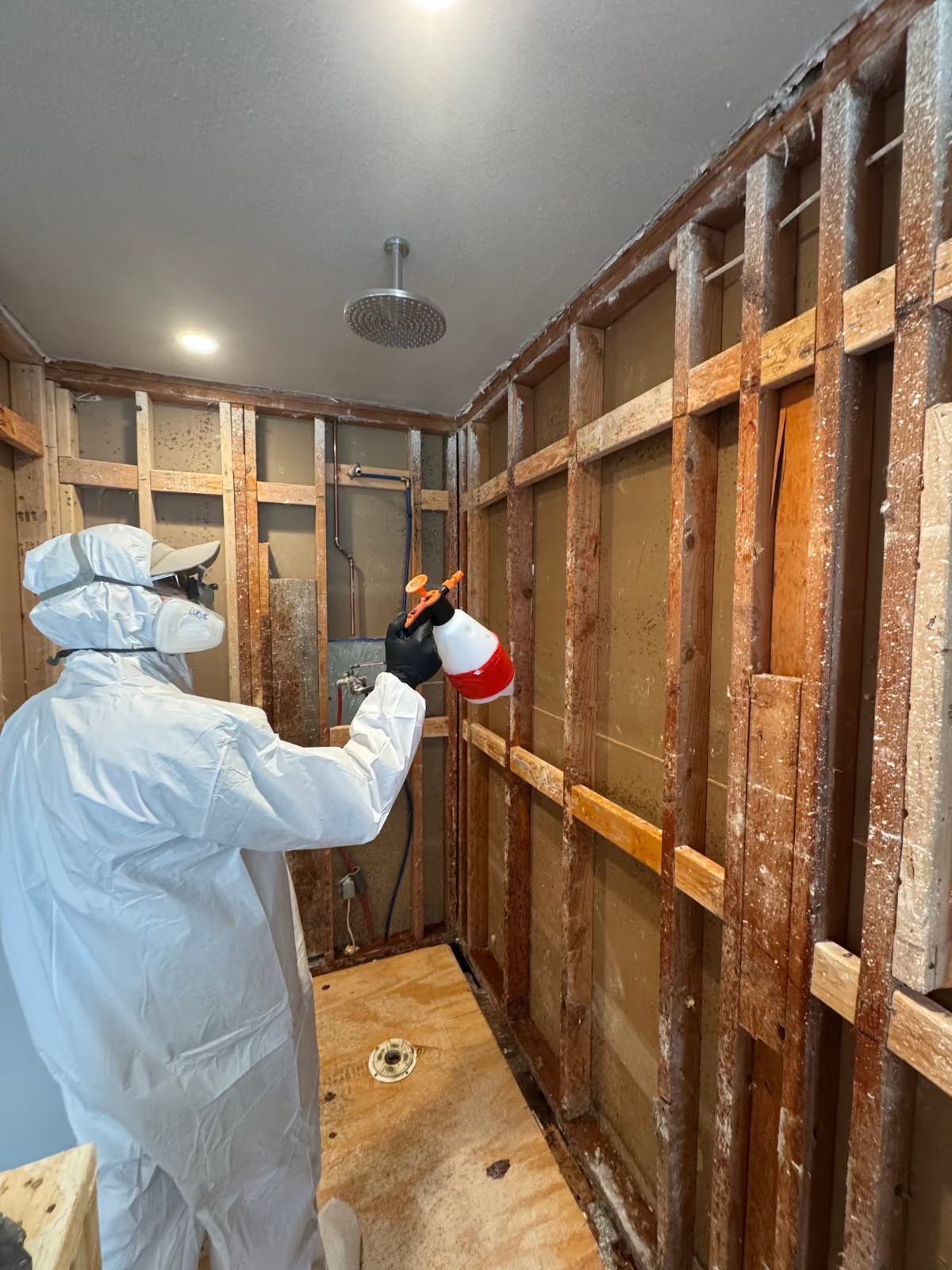
Burst & frozen pipe cleanup
Wall-cavity moisture mapping after winter's most common failure.
Burst & frozen pipe cleanup →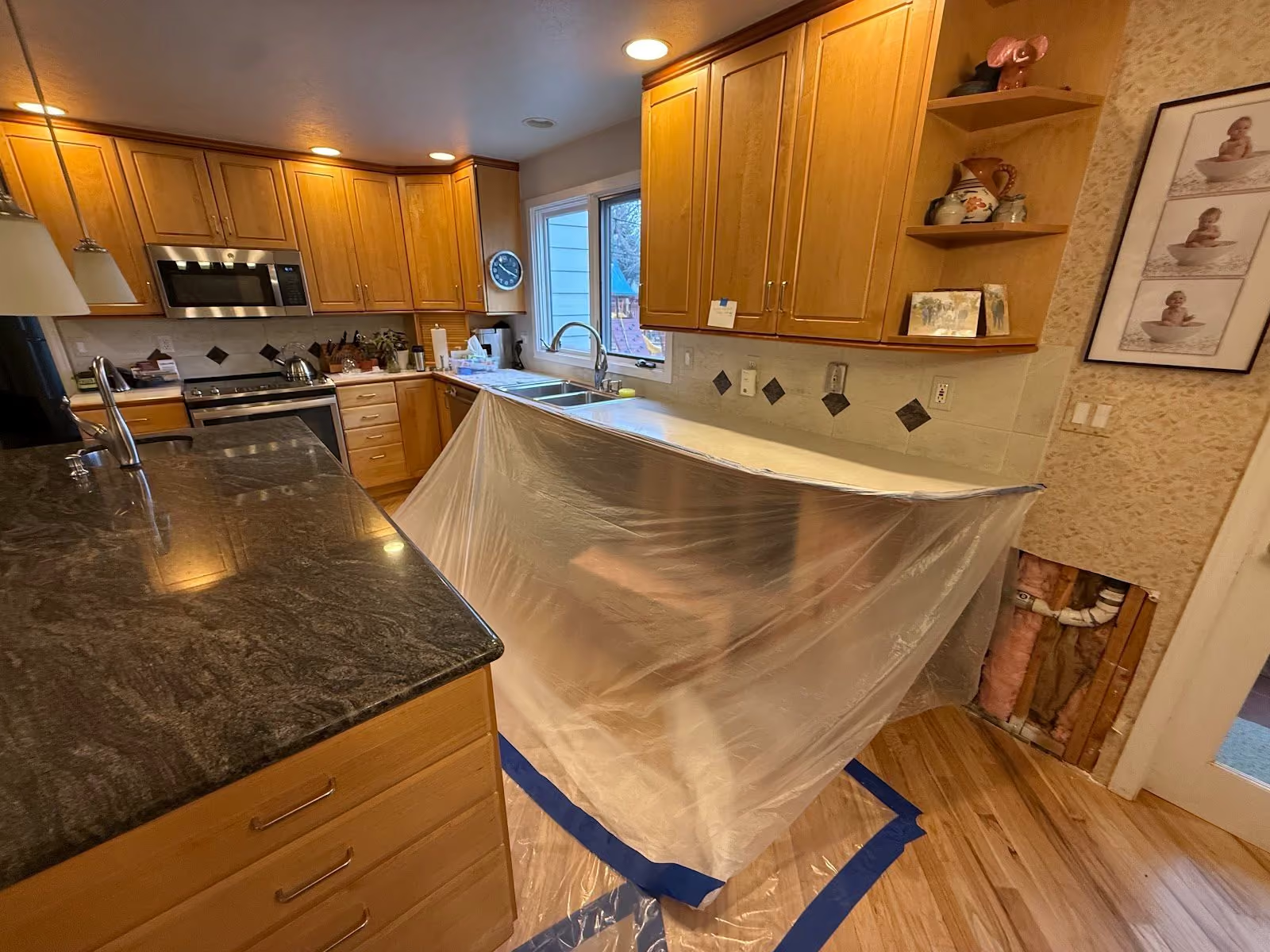
Appliance & water heater leaks
Slow leaks under cabinets, subfloors, and utility closets.
Appliance & water heater leaks →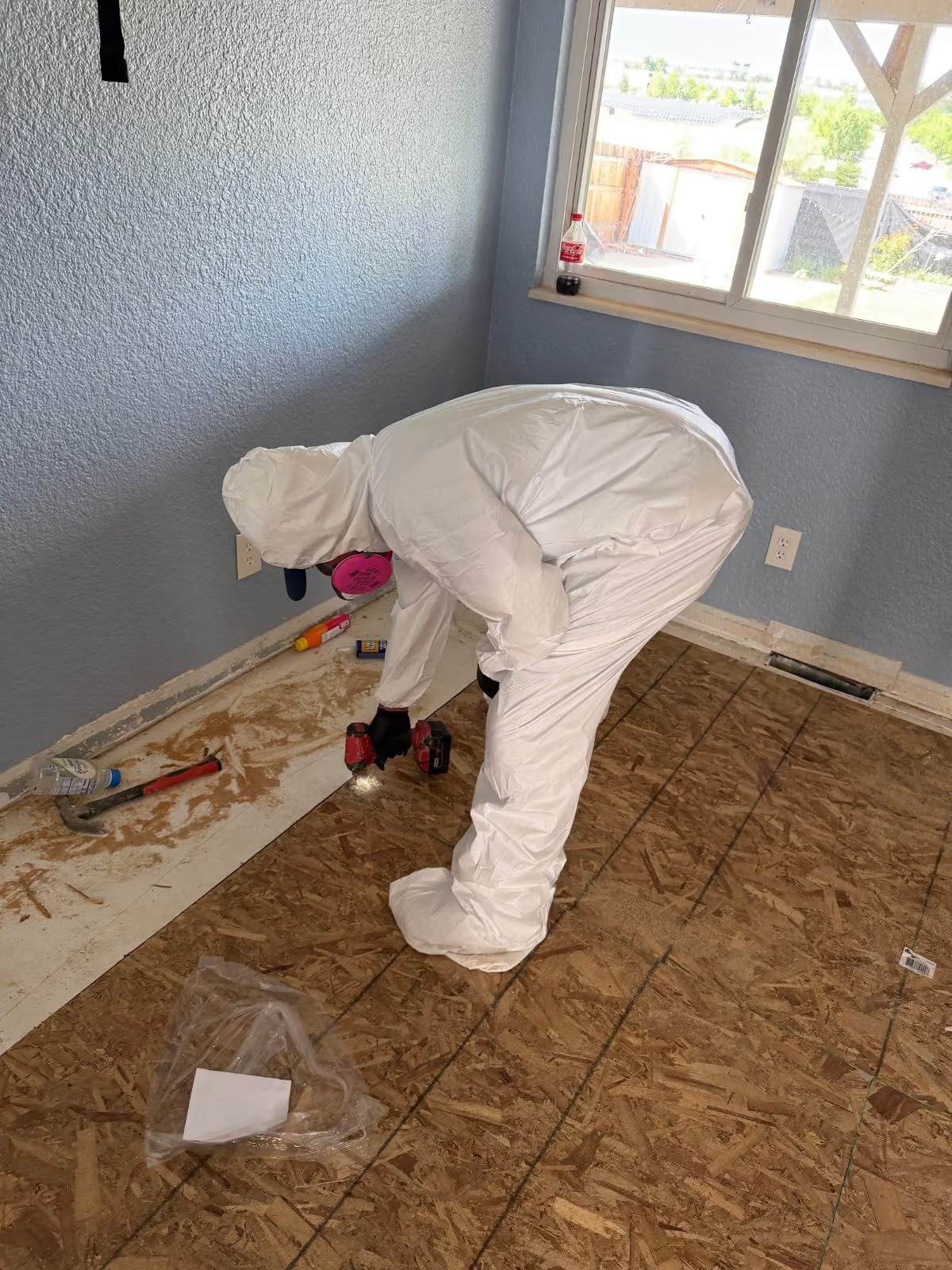
Crawl space water damage
Access, extraction, drying, and the mold tie-in nobody sees.
Crawl space water damage →Common causes of water damage in Utah homes
Hard winters, spring snowmelt, summer monsoon storms, and a high valley water table give Wasatch homes their own particular ways of flooding. These are the calls we run most, from Salt Lake City to Heber City.
Frozen & burst pipes
Uninsulated exterior walls and altitude cold snaps split supply lines all winter long.
How we handle burst pipes →Water heater failure
Tanks rust from the inside and let go, usually overnight and at the worst possible time.
See water-heater leak cleanup →Appliance & supply-line leaks
Dishwashers, washers, ice makers, and braided lines fail slowly, then all at once.
See appliance leak cleanup →Sump pump failure
West of Redwood Road especially, a high water table floods basements the moment a pump quits.
Prevent sump pump failure →Sewer backups
Main-line clogs and storm surcharge push Category 3 water back into the house.
Sewage backup cleanup →Ice dams & roof leaks
Meltwater backs up under shingles at altitude and finds the ceilings below.
Ice dam prevention in Park City →The five steps, with the technical parts said plainly
Moisture mapping before demolition. Daily readings, logged. Drying verified against the IICRC dry standard, not a guess.
We dry to the industry standard, and document it.
IICRC S500 is the standard adjusters and engineers recognize. In practice it means truck-mounted extraction, calibrated moisture meters and thermal imaging, dehumidifier and air-mover placement matched to the room's math, and readings taken every day until structural materials hit their documented dry goal. You get the log; so does your adjuster. Terms decoded in the glossary.
Air movers and containment on a live dry-down
How long does water damage take to dry?
Most standard dry-downs run three to five days. It depends on how much water came in, which materials got wet, and how long it sat before we started. We do not pull equipment on a schedule, we pull it when moisture readings hit the documented dry standard.
Extraction, containment, and equipment set the same visit. Every affected assembly is moisture-mapped and logged.
Air movers and dehumidifiers run around the clock. We take readings every day and adjust the setup to the room's drying math.
Hardwood, plaster, and finished basements hold moisture longer. We verify dry against the standard before any rebuild starts.
What a dry-down really looks like
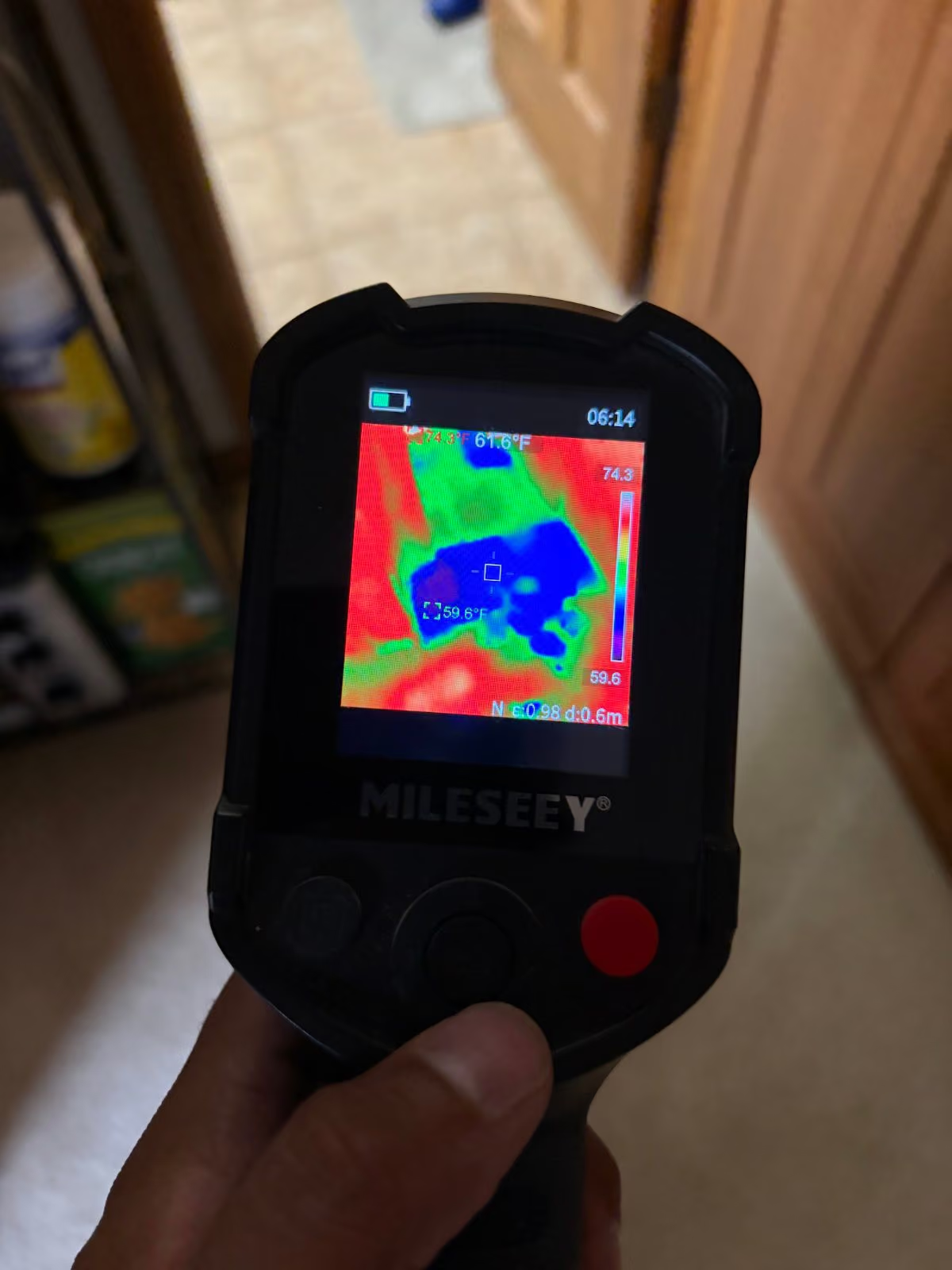
Thermal imaging
Finding the moisture walls hide, before it becomes mold.
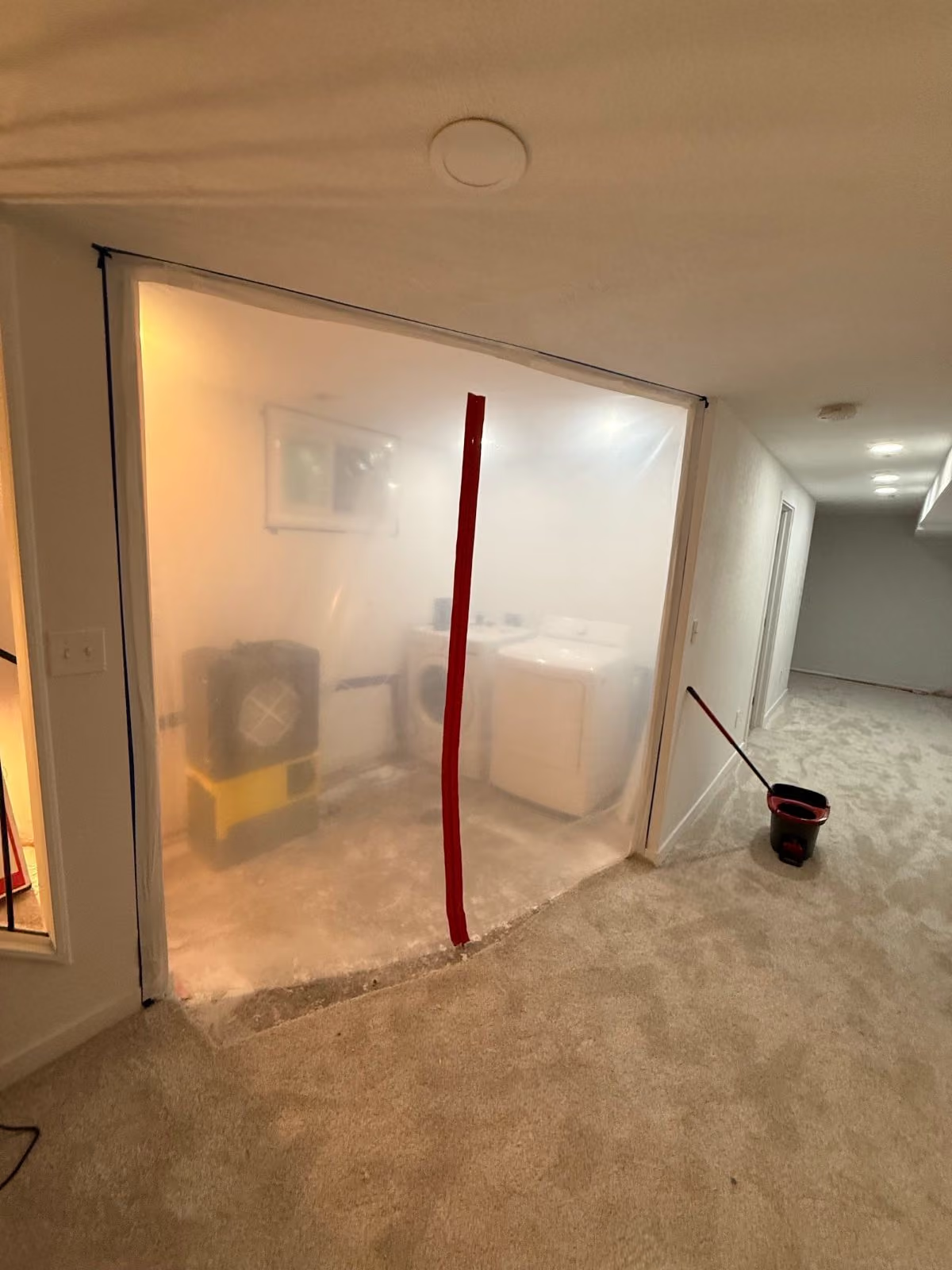
Containment
Zip-wall keeps the loss from spreading through the house.
Antimicrobial treatment
Every affected surface treated after extraction.
Protection first
Finishes wrapped before any demo begins.
Why homeowners across the Wasatch call us first
Not a national franchise routing your call to a crew an hour away. Two local teams, one accountable company, and a paper trail your adjuster respects.
On site in about 90 minutes
Local crews in West Jordan and Park City, dispatched the moment you call, 24/7, not from across the county.
One company, start to finish
Mitigation, drying, and reconstruction under one roof means one scope, one schedule, and a faster claim.
Insurance handled for you
Xactimate scopes, direct billing, and adjuster cooperation on every job, so you pay nothing beyond your deductible.
Dried to the standard, documented
IICRC S500 drying with daily moisture logs, verified against the dry standard before any rebuild.
We handle your water damage claim, start to finish
You have probably never filed a claim like this. We have, hundreds of times, with every major carrier in Utah. We work for you and cooperate with your adjuster, document everything the claim needs, and bill your insurance company directly, so your only real cost is your deductible.
How your claim goes, step by step
Document from minute one
Cause photos, moisture readings, and a full scope of the loss, starting the moment we arrive.
We scope it in Xactimate
The estimating format your adjuster's office already uses, so there is nothing to translate.
We coordinate with your adjuster
We share the file, answer questions, and justify the scope on your behalf.
We bill your insurer directly
No fronting the cost of the covered work and waiting to be reimbursed.
You pay only your deductible
On a covered claim, that is your real out-of-pocket, and you know it up front.
Sudden and accidental water damage: a pipe that bursts this morning, a supply line that lets go, a water heater that fails, or storm water that gets in fast. This is what most Utah homeowner policies are built to pay for.
Gradual damage: the fitting that seeped for six months, long-term leaks, and damage tied to deferred maintenance or neglect. Ground flooding usually needs separate flood insurance. We tell you honestly where a claim is likely to land.
Want the full walkthrough? Read the Utah water damage insurance claims guide. Because we handle mitigation and reconstruction under one roof, there is one scope and one file, which closes your claim faster.
Residential and commercial restoration
Whether it is a finished basement in Sandy or a flooded office in Salt Lake City, the water does not care what is on the door. We scale the same process and documentation to both.
Homes & second homes
Primary residences, rentals, and the second homes we watch over in Park City and Deer Valley while owners are away. Daily photo updates and video walkthroughs on request.
For second-home owners →Commercial & multi-unit
Offices, retail, restaurants, HOAs, and industrial sites, with after-hours crews and the scheduling a business needs to reopen fast.
Commercial restoration →Water jobs, reviewed
"They found the whole wet footprint with the thermal camera, walls we'd have never opened. Nothing came back moldy."
Ray
"Water out the same night, dehumidifiers placed, and a daily reading text until it hit dry standard. Adjuster said it was the cleanest file he'd seen."
Danielle
"Second home, we were out of state. Photos every day, and they walked our adjuster through the scope on our behalf."
Tom & Priya
Coverage across the Wasatch Front and Back
Two local bases put us on site within about 90 minutes anywhere we serve, valley or mountain. A real person answers 24/7 and dispatches the nearest crew.
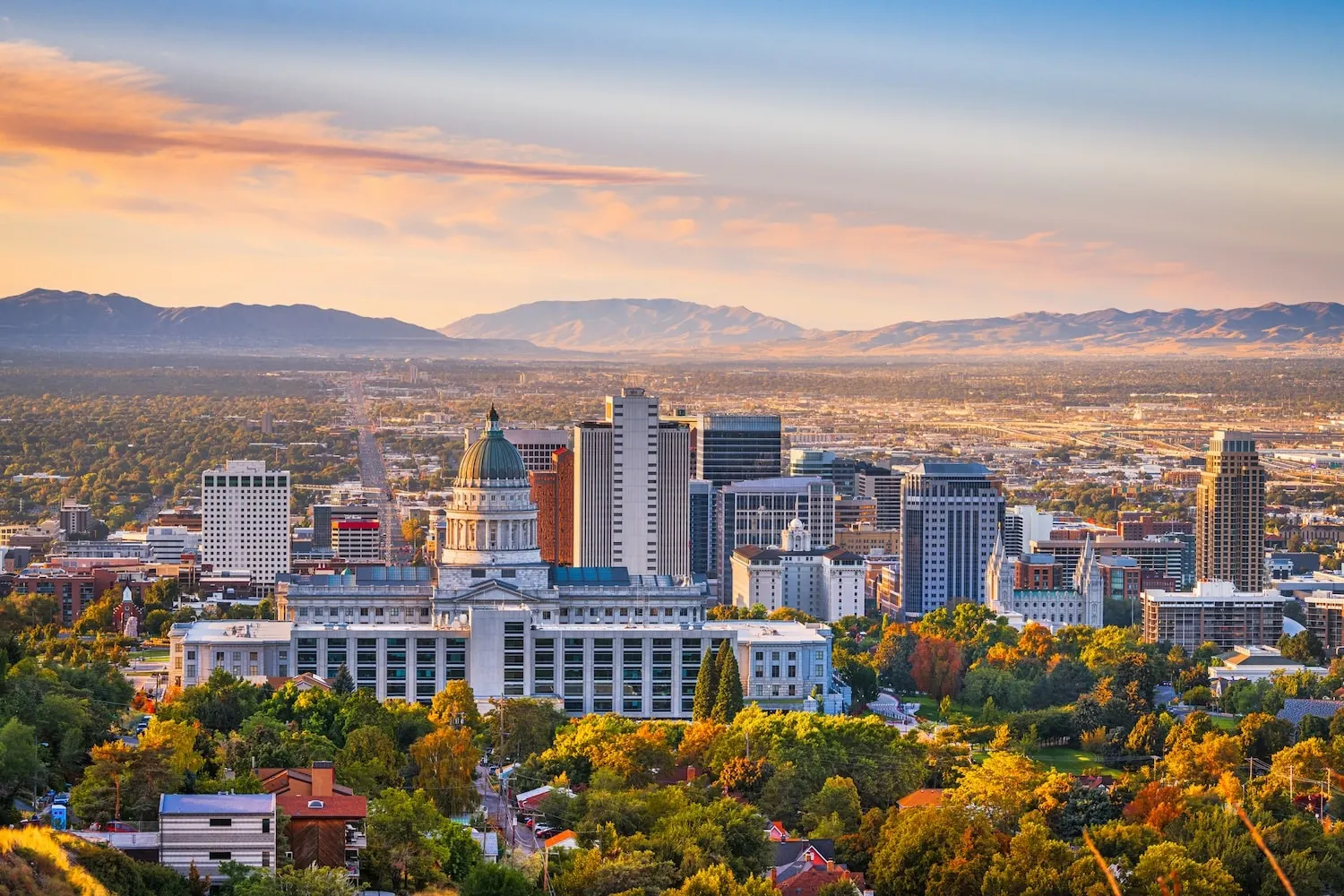
Salt Lake Valley
From our West Jordan base. A high water table west of Redwood Road, aging supply lines in established neighborhoods, and spring runoff drive most valley losses.
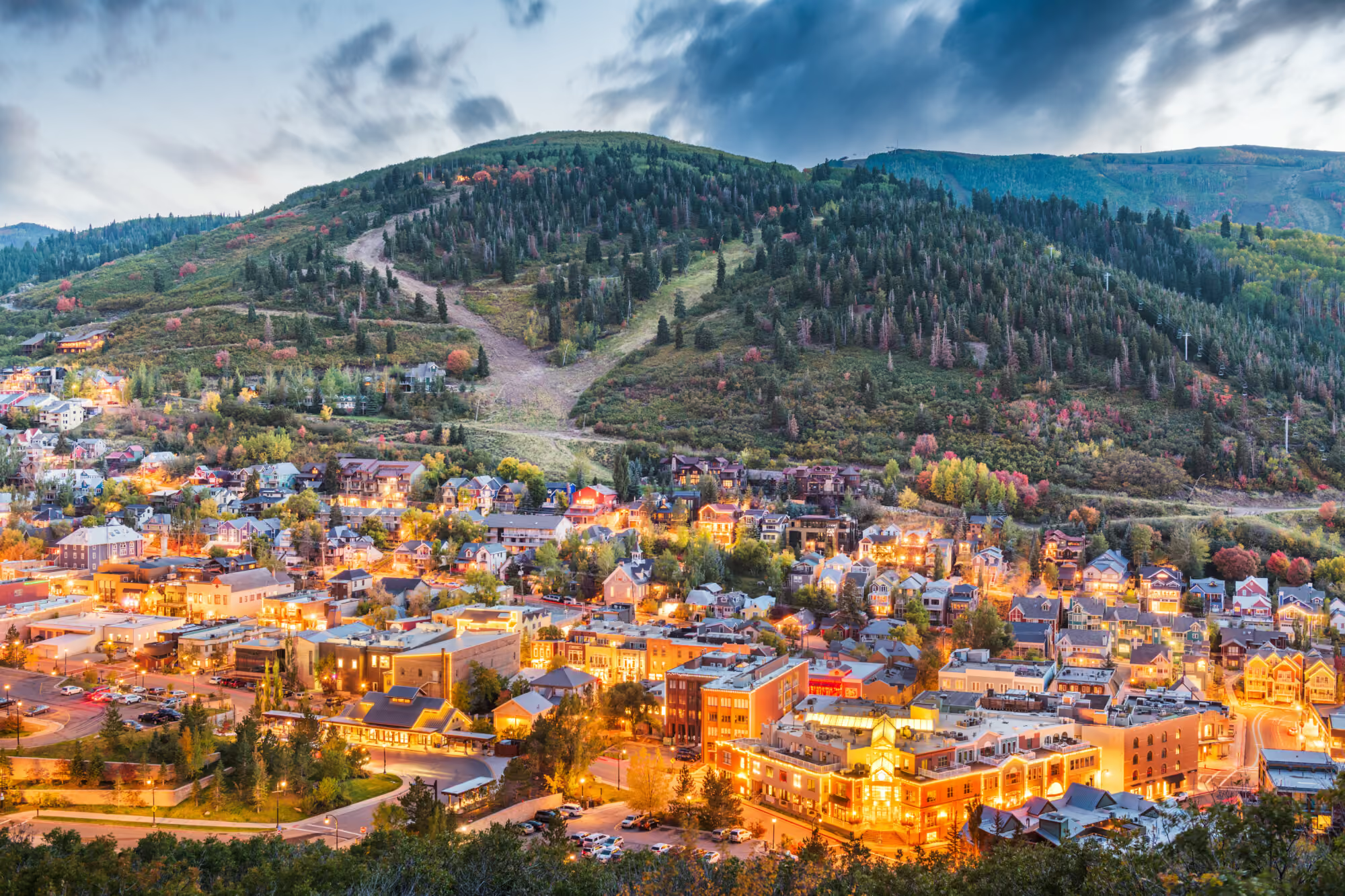
Park City & the Wasatch Back
From our Prospector Ave base. Altitude freezes, second homes sitting empty between visits, and heavy snow load with ice dams are the usual culprits up here.
Water damage guides and resources
Questions we hear
Water emergency right now?
Don't wait for a crew from across the county. Two local teams, on call.