
Mold remediation for the Salt Lake Valley & Park City, Utah
Testing, containment, removal, and clearance verification, measured and methodical, without the scare tactics.
Keep your phone nearby. If water is still spreading, shut off the main valve now, it’s usually in the basement or crawl space, on the street-facing wall.
Mold is a moisture problem wearing a disguise.
Mold needs about 48 hours of sustained moisture to take hold. Find and fix the water, and mold loses. That's why remediation that doesn't end with a repaired leak, corrected grading, or better ventilation is just an expensive pause. Our job has two halves: remove the growth safely, and make sure the conditions that fed it are gone.
How fast does mold take hold?
Spores are always in the air. Give them water and they do the rest, faster than most people expect.
Spores germinate on any damp, organic surface: drywall, wood, insulation, even settled dust.
Colonies spread and become visible, and the telltale musty smell sets in.
Growth reaches structural materials, and remediation gets larger, longer, and costlier.
The one factor you actually control.
Drywall paper, wood, fabric, dust.
Ordinary room temperature is ideal.
About 48 hours is the tipping point.
Where mold takes hold in Wasatch homes
Mold grows where moisture lingers and nobody looks. These are the places we open up most, and the hidden water that is usually feeding the growth behind them.
Basements & crawl spaces
A high valley water table and cool, still air make finished basements and crawl spaces the number-one place we find mold.
Crawl space water damage →Bathrooms, kitchens & walls
Hidden supply-line drips and shower splash feed mold inside walls and under cabinets long before it ever shows on the surface.
Appliance & supply-line leaks →Attics & ceilings
Roof leaks and winter ice dams soak insulation and sheathing, and mold follows on the underside where you never see it.
Ice dam prevention →Wall cavities & window lines
Window flashing leaks, condensation on cold exterior walls, and pipes that froze once all feed growth on the back side of drywall.
Burst & frozen pipe cleanup →Subfloors & under flooring
Cupped hardwood and a musty smell from the carpet pad usually mean the subfloor stayed wet. Growth spreads flat and unseen.
Musty odor removal →Water heaters & HVAC closets
Slow drips from tanks, softeners, and condensate lines keep utility closets damp for months. Nobody looks behind the furnace.
Water heater warning signs →Caught it after a leak? Fast water damage restoration beats remediation every time. Not sure what you are looking at? Send a photo when you call and we will tell you honestly.
Why Utah homes grow mold
Dry-climate homes are not immune. Big humidity swings, tight modern construction, and a high water table give Wasatch homes their own particular ways of growing mold, from Salt Lake City to Park City.
Unaddressed water damage
A leak that was never fully dried is the most common start. Mold needs only about 48 hours.
Water damage restoration →Finished basements
Framing and drywall against cool foundation walls trap moisture where no one can see it.
Flooded basement cleanup →Bathroom & kitchen humidity
Daily steam without an exhaust fan running long enough grows mold on ceilings and grout.
Musty odor removal →Crawl-space ground moisture
Bare earth and poor vapor barriers push moisture up into the subfloor and joists year round.
Crawl space water damage →Roof leaks & ice dams
Meltwater backs up under shingles at altitude, soaks the attic, and mold grows out of sight.
Ice dam prevention →Winter humidity & sealed homes
Tight, well-sealed homes trap indoor humidity in winter, and it condenses into mold in cold corners.
Get a free assessment →How remediation actually works
Containment before removal, HEPA filtration throughout, and clearance testing before the containment comes down.
What mold does, and doesn't, mean for your family
For most healthy people, household mold is an irritant: stuffiness, coughing, itchy eyes that improve away from home. For people with asthma, allergies, or compromised immune systems, reactions can be stronger and worth taking seriously. What mold is not is a reason to panic or abandon the house. It is a reason to stop disturbing it, scrubbing a colony releases spores, and to get the moisture source found. If anyone in the home is symptomatic, mention it when you call; it changes how we sequence containment.
Containment, removal, treatment
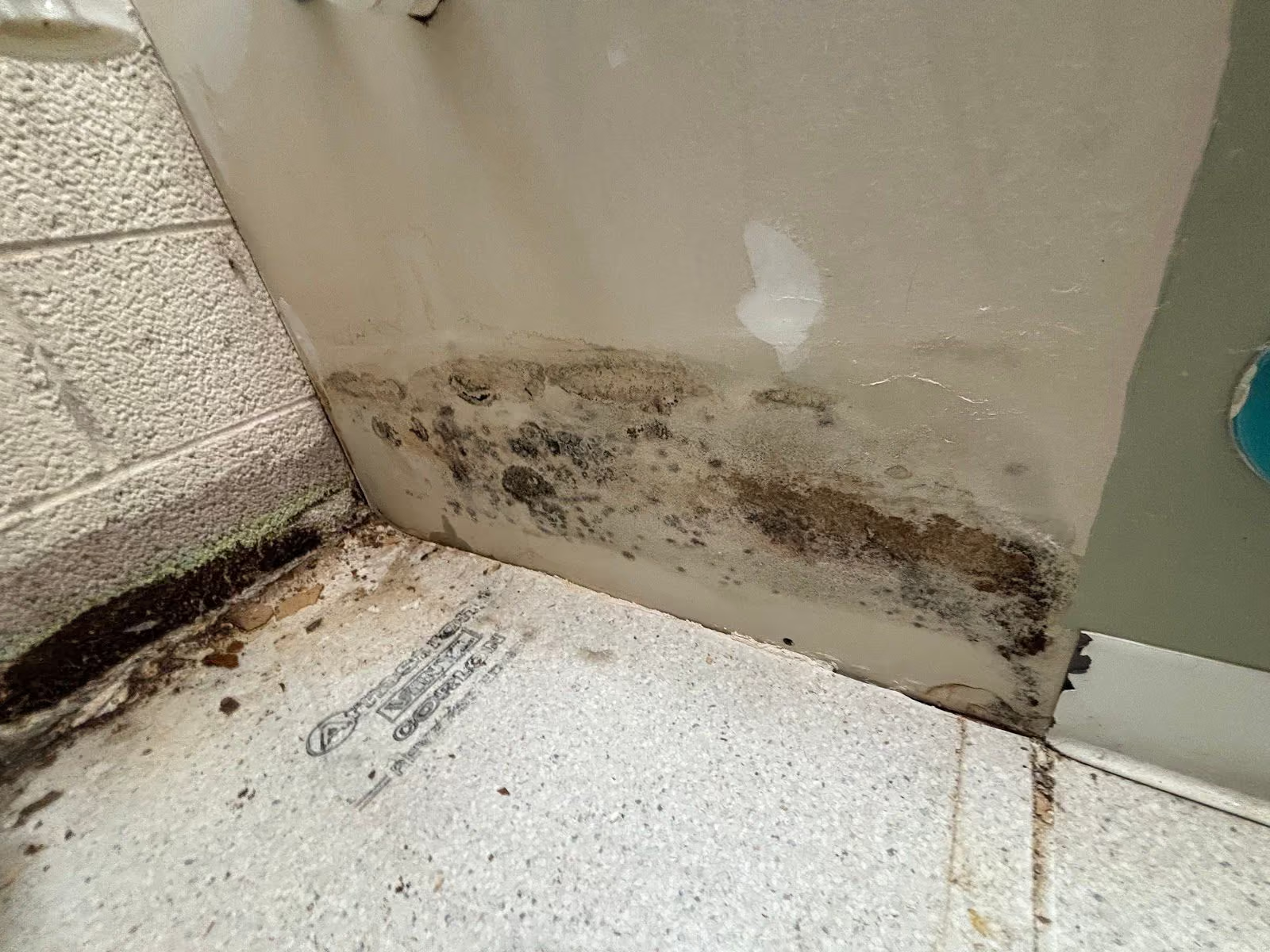
What we find
Growth traced to its moisture source, not just wiped.
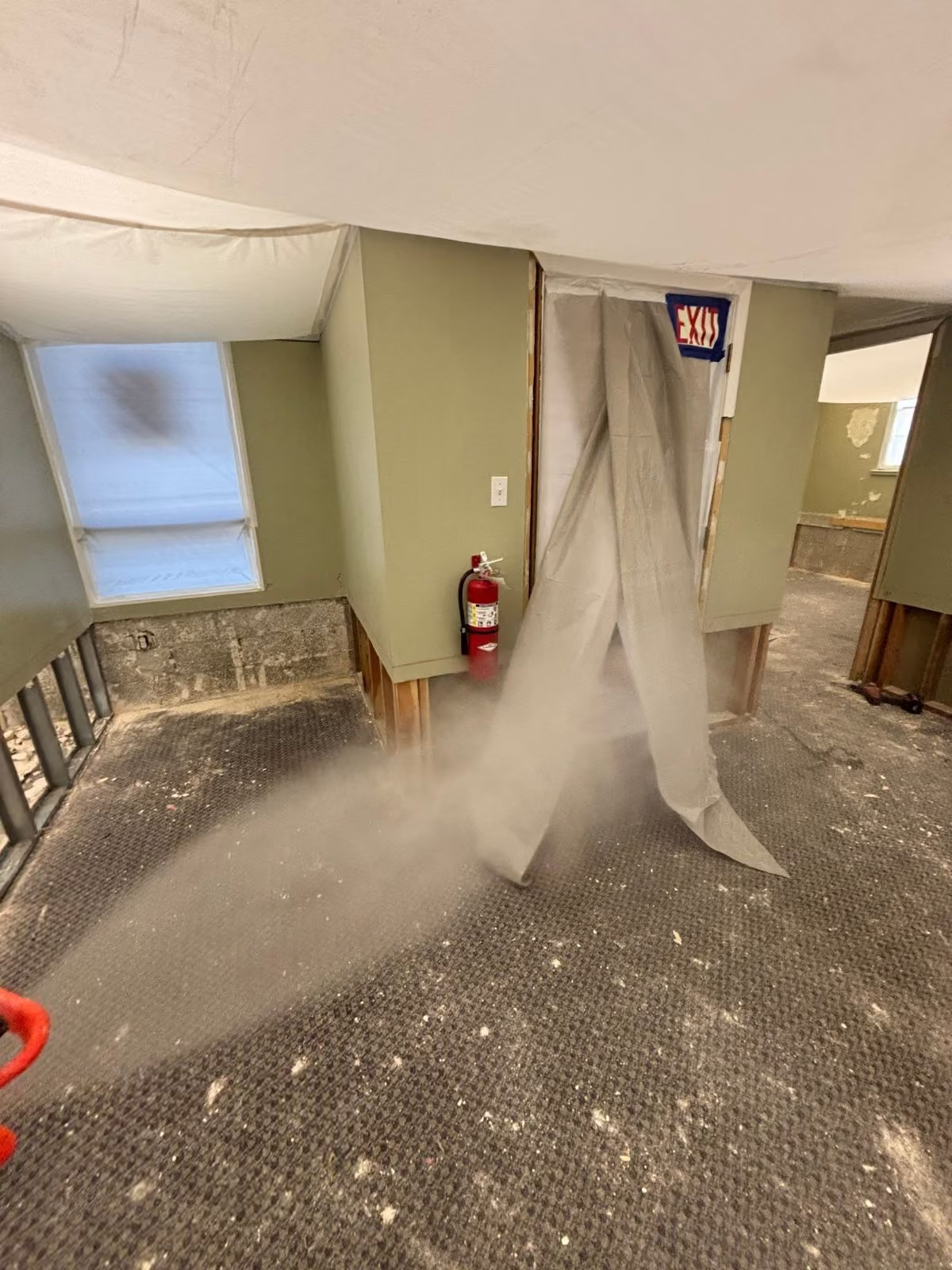
Containment first
Plastic and negative air before a single cut is made.
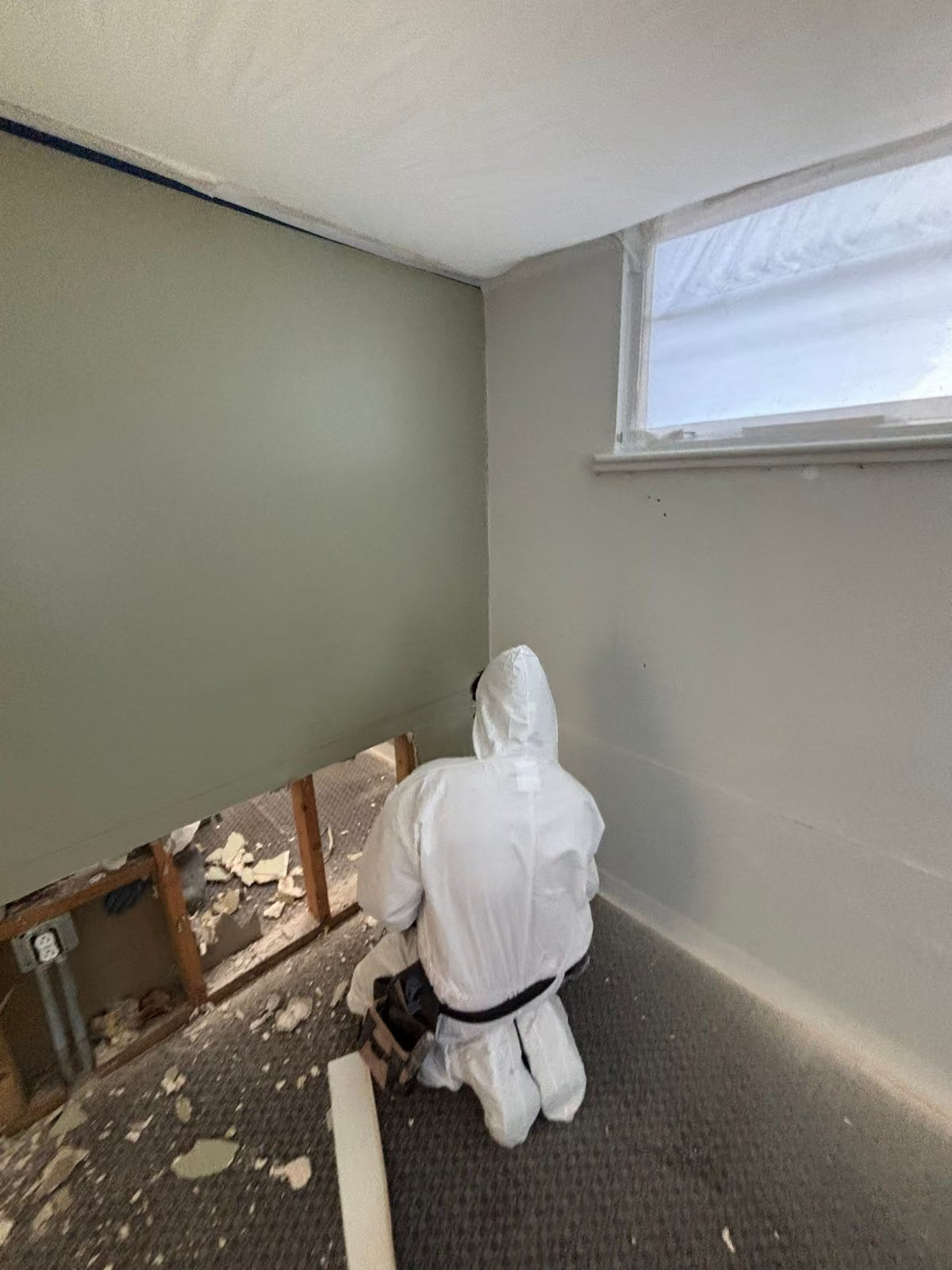
Source removal
Affected material comes out, not painted over.
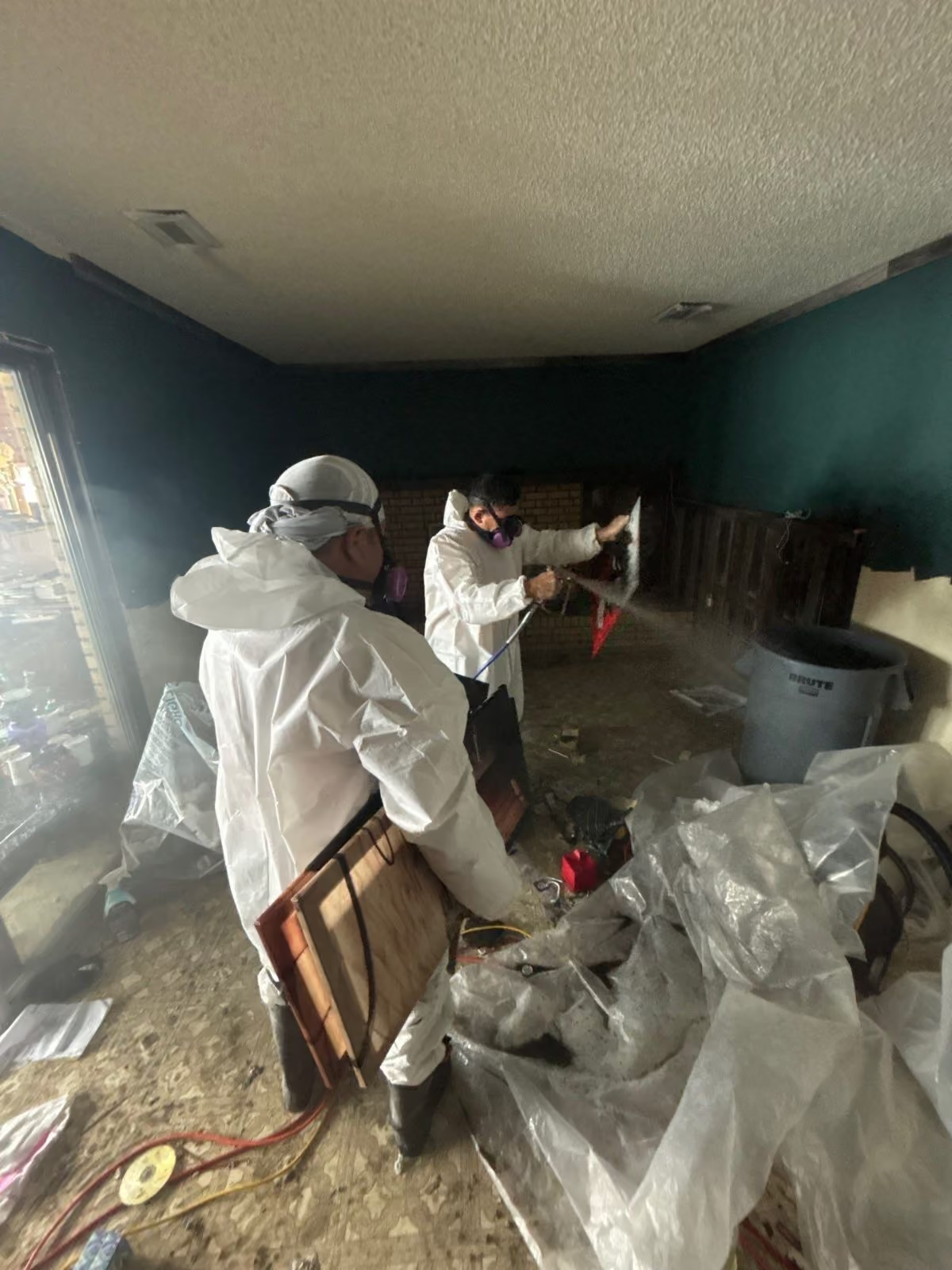
Treatment
HEPA filtration running through the whole job.
Remediation, reviewed
"Two other companies quoted tear-outs sight unseen. Highwater tested first, contained one wall, and fixed the grading that caused it."
Steven
"Clearance test results in hand before they took the containment down. That's what I wanted, proof, not promises."
Amy
"Found it during a remodel of our Park City condo. They coordinated with the HOA and the neighbors' unit got checked too."
Marc
Why homeowners across the Wasatch call us first
No scare tactics, no tear-outs quoted sight unseen. Two local teams, one accountable company, and proof before we call it done.
Fast, local response
Local crews in West Jordan and Park City, on site fast for the water loss behind the mold, not dispatched from across the county.
One company, start to finish
Remediation, the moisture-source repair, and any reconstruction under one roof, one schedule.
Insurance handled for you
When mold ties to a covered water loss, we document cause and timing and bill your carrier directly.
Verified with clearance testing
Containment, HEPA filtration, and a post-remediation clearance test before we take the plastic down.
When mold is covered, we handle the claim
Mold coverage almost always comes down to cause and timing. When your mold ties to a sudden water loss you reported promptly, we document it the way your adjuster needs, work with any carrier, and bill directly, so your only real cost is your deductible.
How your claim goes, step by step
Report the water loss fast
Prompt reporting of the sudden loss behind the mold is what keeps coverage open.
Document cause & timing
Photos, moisture readings, and lab results that tie the mold to the covered event.
We test and scope it
A defined footprint and a scope written in Xactimate, the format your adjuster uses.
We coordinate & bill direct
We answer the adjuster's questions and bill your insurer for the covered work.
You pay only your deductible
On a covered claim, that is your real out-of-pocket, and you know it up front.
Mold that results from a sudden, reported loss, like a burst pipe you called in promptly and dried right away. Report fast and document, and the door stays open.
Mold blamed on gradual leaks, chronic humidity, or deferred maintenance, or a covered loss you sat on for weeks before reporting. We tell you honestly where a claim is likely to land.
The full picture is in does insurance cover mold and the Utah water damage insurance claims guide.
Residential and commercial remediation
Whether it is a finished basement in Sandy or an office suite in Salt Lake City, the same containment, HEPA filtration, and clearance testing scale to both.
Homes & second homes
Primary residences, rentals, and the second homes we watch over in Park City and Deer Valley while owners are away.
For second-home owners →Commercial & multi-unit
Offices, retail, restaurants, HOAs, and multi-unit buildings, with after-hours crews and the scheduling a business needs to stay open.
Commercial restoration →Coverage across the Wasatch Front and Back
Two local bases put us on site fast anywhere we serve, valley or mountain. A real person answers 24/7 and schedules the nearest crew.

Salt Lake Valley
From our West Jordan base. A high water table and finished basements make valley homes prime ground for hidden mold.
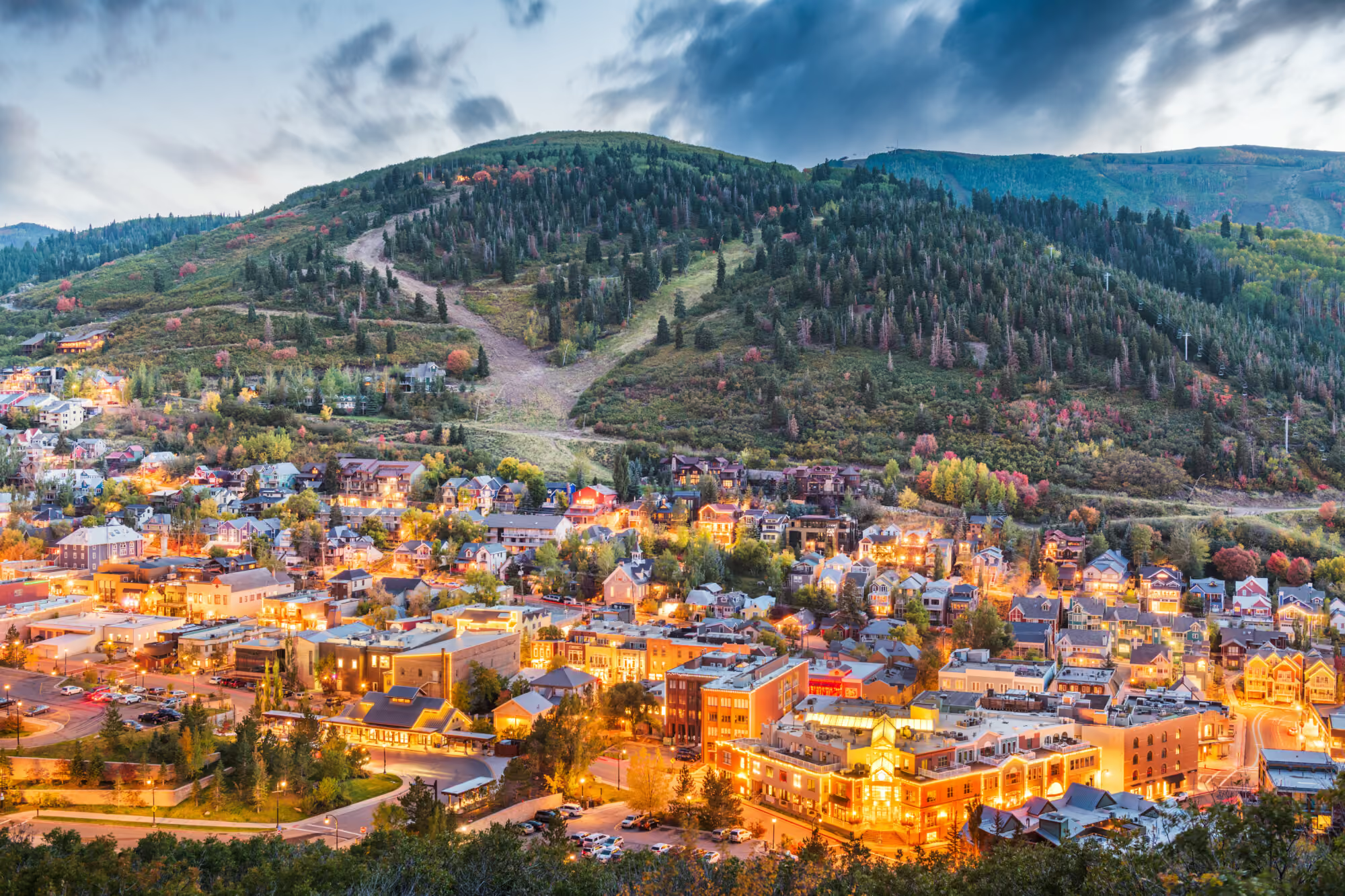
Park City & the Wasatch Back
From our Prospector Ave base. Second homes sitting closed up and ice-dam roof leaks are the mold calls we run up here.
Mold guides and resources
Questions we hear
Think you've found mold?
Calm, certified, and honest about whether you actually need us.