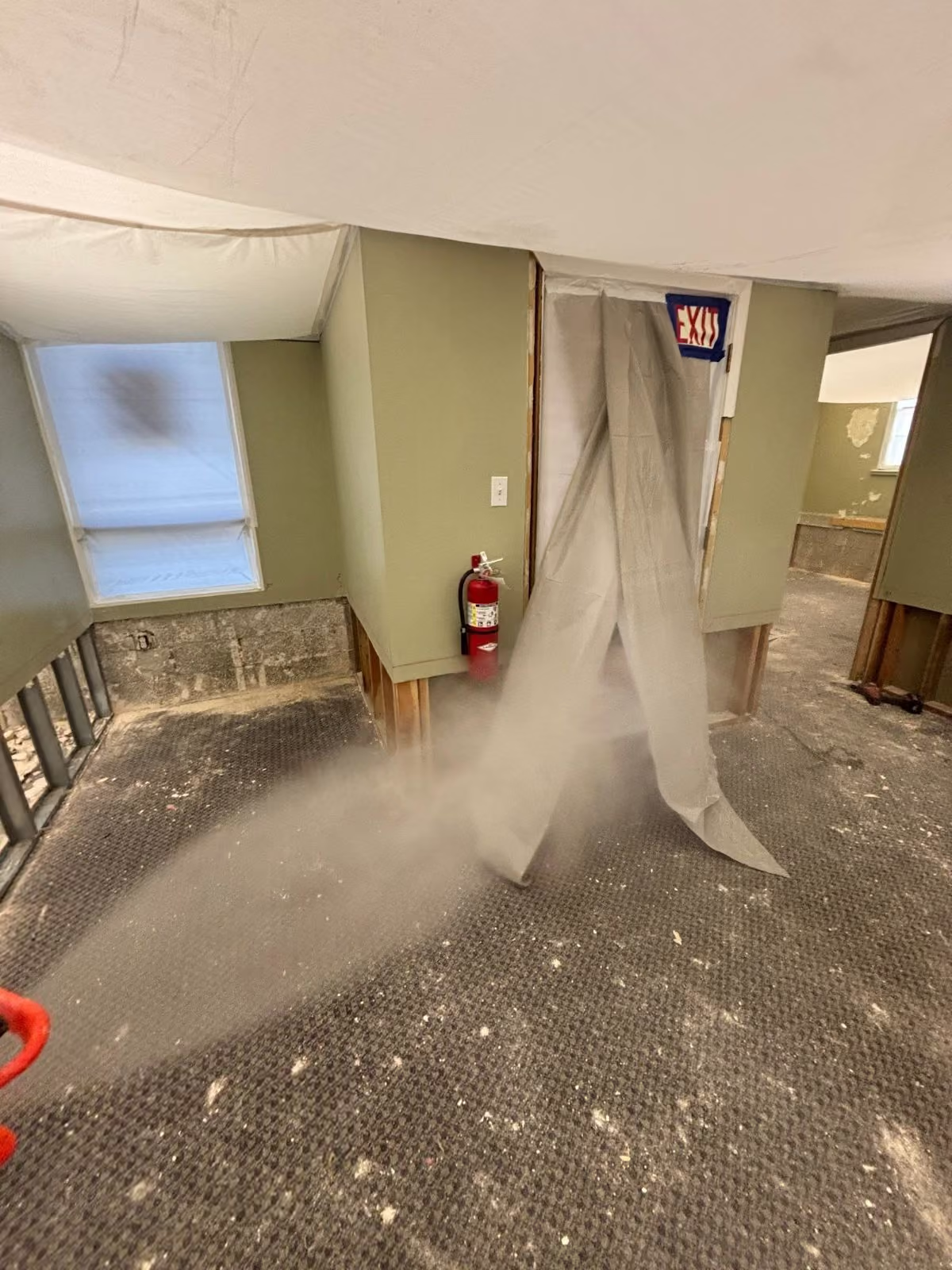
When water reaches your condo from another unit or a shared line, who pays depends on three things: where the water started, what your association's governing documents say, and how the master policy and each owner's policy are written. No single answer fits every building in Utah, so the first steps are to stop the water and record what happened in every unit it reached.
This is general information, not legal advice. Your association's manager, its attorney and your insurance agent are the right people to read your documents and your policy. Highwater Restoration serves condo owners and associations across the Salt Lake Valley and the Park City area, and we'll help you navigate the claim from the first call.
Why there is no single answer
A condo building is divided into units, which owners are responsible for, and common elements, which the association is responsible for. The declaration, often called the CC&Rs, sets where that line falls, and it differs from building to building. In one association the unit starts at the paint. In another it starts at the studs, and the drywall belongs to the owner.
The insurance has layers of its own. The association carries a master policy, and each owner usually carries a condo unit policy, often called an HO-6. Utah also has its own condominium and community association laws underneath both.
Where the water started
Water from a pipe inside a common wall, a shared drain line or the roof is often treated differently from water from one owner's washing machine hose, toilet supply line or dishwasher. Some declarations also look at upkeep, so a drip ignored for months may be handled differently from a sudden break.
What the governing documents say
The declaration, the bylaws and the board's rules decide who maintains what, who insures what, and how a deductible is shared. Some declarations let the association charge all or part of the master policy deductible to the owner of the unit where the leak began. Others share it differently, and some leave it with the association.
How the master and unit policies are written
Master policies come in a few common forms. A bare walls policy covers the structure but not interior finishes. A single entity policy also covers fixtures and finishes as originally built. An all-in policy adds improvements owners have made since. An owner's HO-6 policy picks up what the master policy does not, such as belongings and upgrades, and it often includes loss assessment coverage, which can help when the association passes a share of a loss or a deductible to owners. The agent should confirm the details of each policy.
Questions to ask before anyone decides who pays
Ask these early, and in writing, so the answers are on record when the claims are filed.
For the board or the community manager
Start with the building.
- The source: where did the water start, and do our documents treat that pipe, fixture or appliance as part of a unit or a common element?
- The deductible: what is the master policy deductible, and how do our documents share it?
- Emergency authority: who can approve emergency work before the board meets, and has the master carrier been told?
For each owner and their insurance agent
Then check each owner's policy.
- Loss assessment coverage: does my HO-6 policy include it, and does it apply to a deductible the association passes to owners?
- Improvements: are my upgrades, such as flooring or cabinets, covered by my policy or the master policy?
- Loss of use: if the unit cannot be lived in while it dries, what does my policy cover?
Our Utah water damage insurance claims guide explains how a claim usually runs from the first call to the adjuster's decision.
Why documenting every affected unit helps every party
Who pays is decided later, by the documents and the adjusters. The facts behind that decision are gathered in the first hours, before drywall is cut and carpet pad is pulled.
From the first visit, we record each affected unit on its own, including the unit where the water started and any common areas:
- Where the water came in: photos of the entry point in each unit and the path the water took.
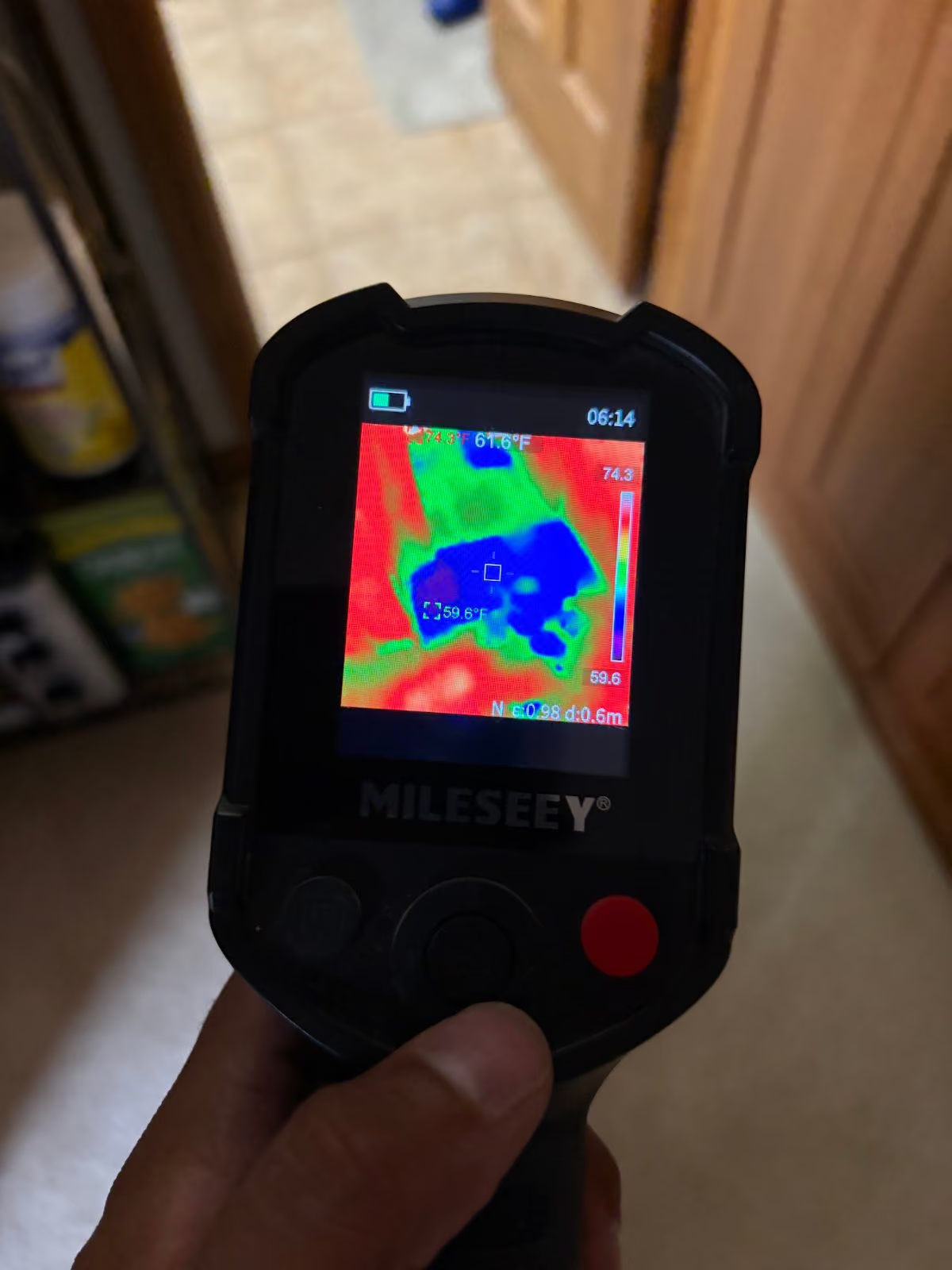
- Moisture readings by room: mapped on a simple floor plan, so each adjuster can see the unit their policy covers.
- What was removed and why: each piece of drywall, baseboard or pad, with the reading that justified taking it out.
- Daily drying records: kept for each unit until its materials are back to normal.
That record helps everyone in the building. The board can apply the declaration to what was measured, each insurer can see the damage its policy may cover, and no owner's claim has to wait on a neighbor's paperwork.
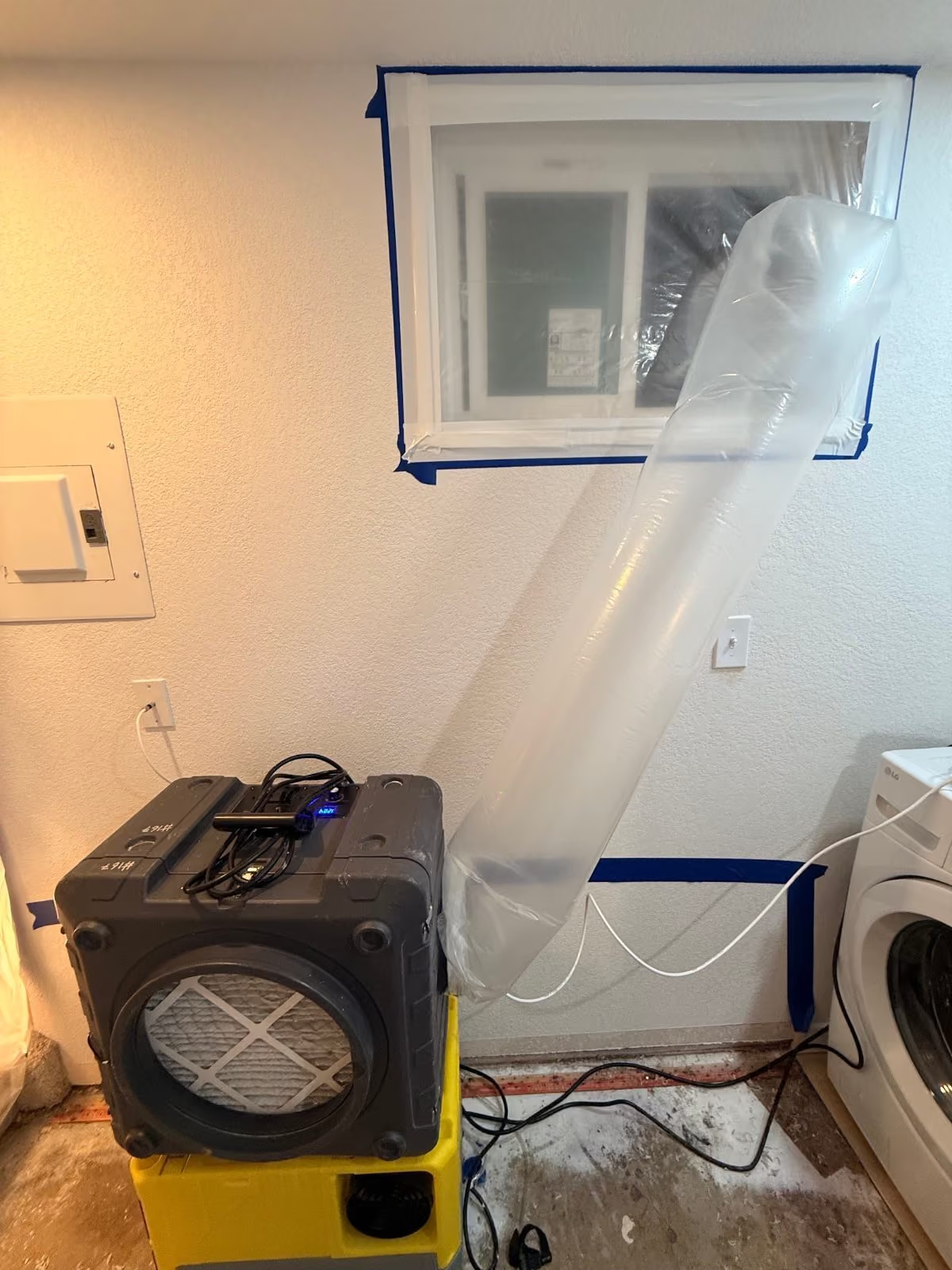
It also protects the building. Wet drywall, insulation and subfloor can start growing mold within 48 to 72 hours, so drying should not wait for the payment question to be settled. Policies generally expect reasonable steps to prevent further damage.
For local water risks, see our Salt Lake Valley, Park City and Heber City pages. Boards and managers can see how we work with associations on our HOA and community managers page.
Call Highwater Restoration 24/7 for condo water damage across the Salt Lake Valley, Park City, Kimball Junction and Heber City.
Frequently asked questions
Short answers to the questions boards and owners raise first.
Who pays for water damage in a condo, the HOA or the owner?
It depends on the source, your declaration and the policies, so no one answer fits every building. In some, the association's policy responds first and an owner pays part of the deductible; in others, the owner's own policy carries more of the loss. Ask your community manager and your agent to read the documents and policies together.
Can work start before the board votes?
Stopping the water and drying the building usually should not wait for a meeting. Association documents often give the manager or an officer authority to act in an emergency. Check what your documents allow now, before you need it.
What counts as common area versus inside the unit?
Your declaration defines it, and the line moves from building to building. Pipes inside a common wall, shared drain lines, the roof and hallways are often common elements, but a line that serves only one unit may be that owner's responsibility even where it runs through a wall.
What happens if mold is found inside a shared wall?
When it follows the water event, it is usually treated as part of the same loss and documented by unit. The area is contained so spores stay out of neighboring units, and the wall is dried and cleaned before it is closed. Some policies limit or exclude mold, so tell your agent and the manager as soon as it is found.