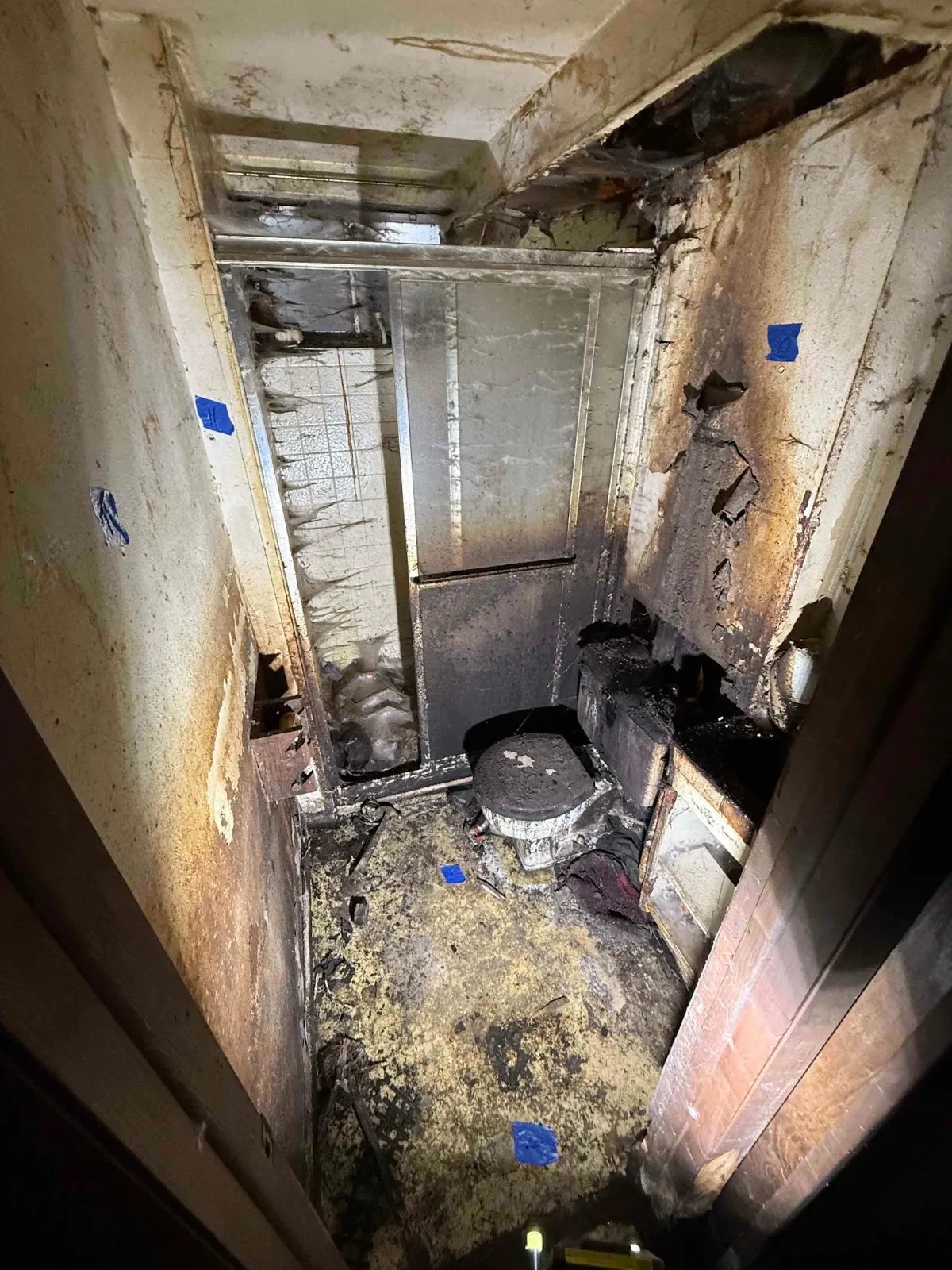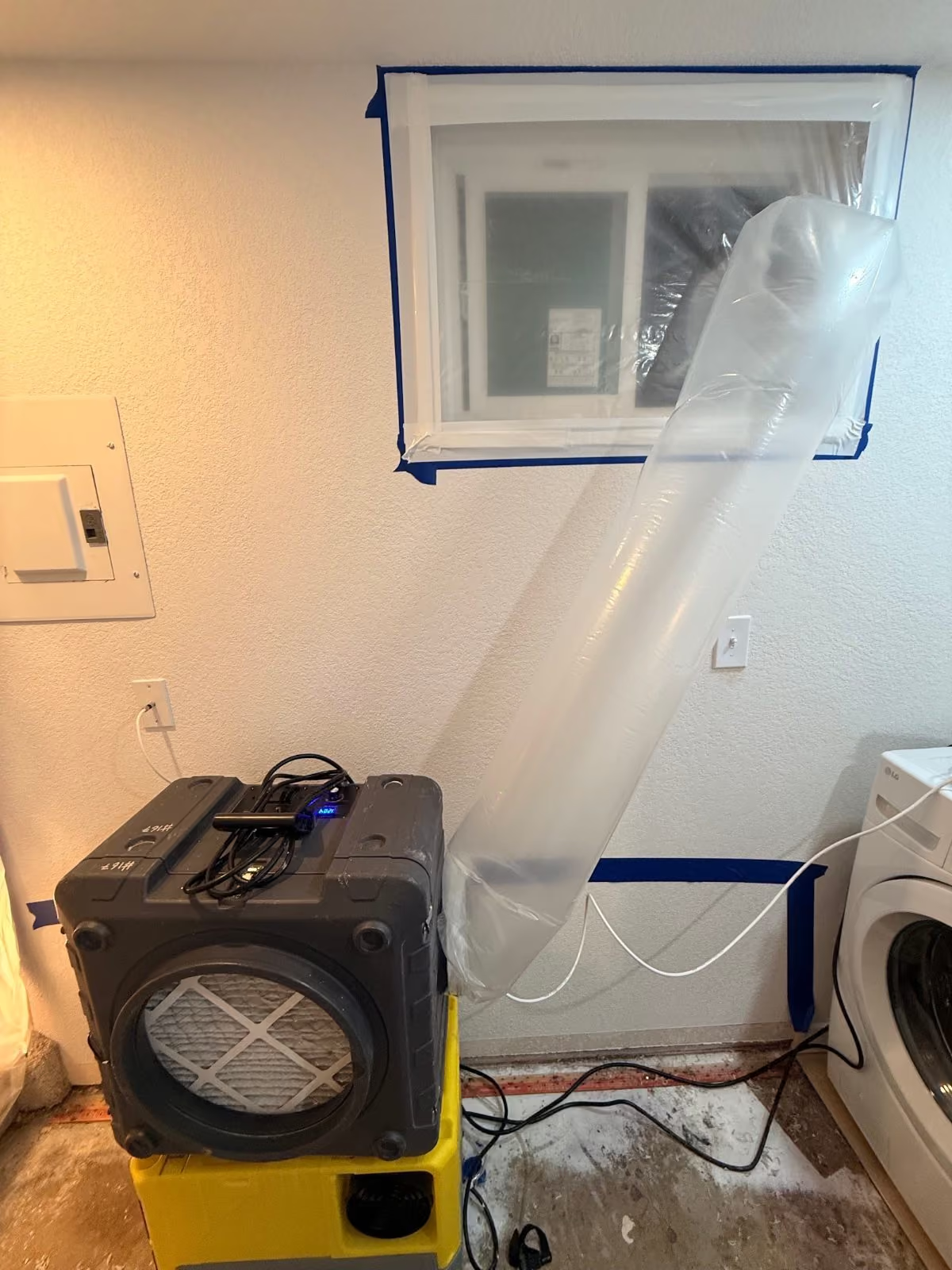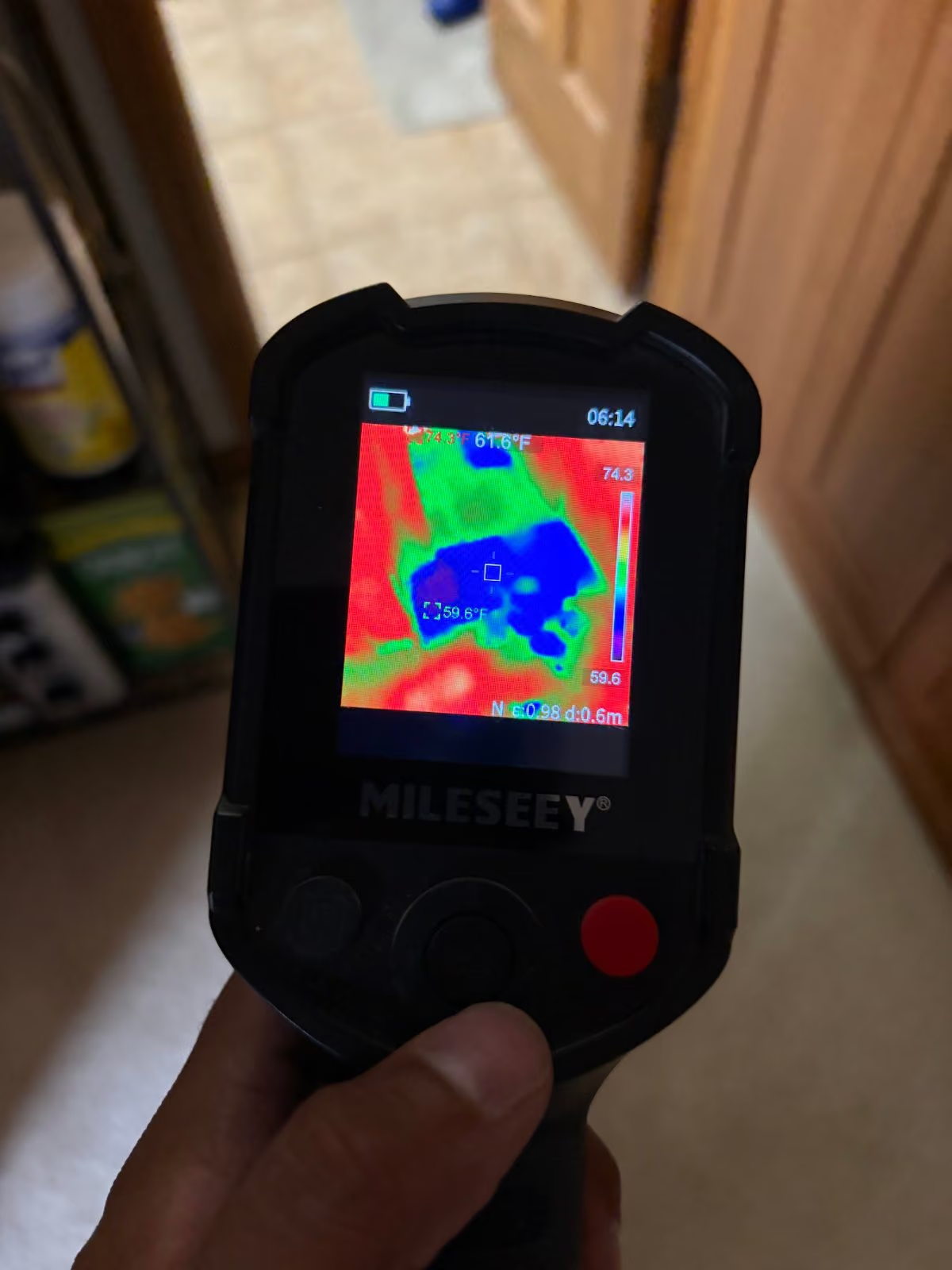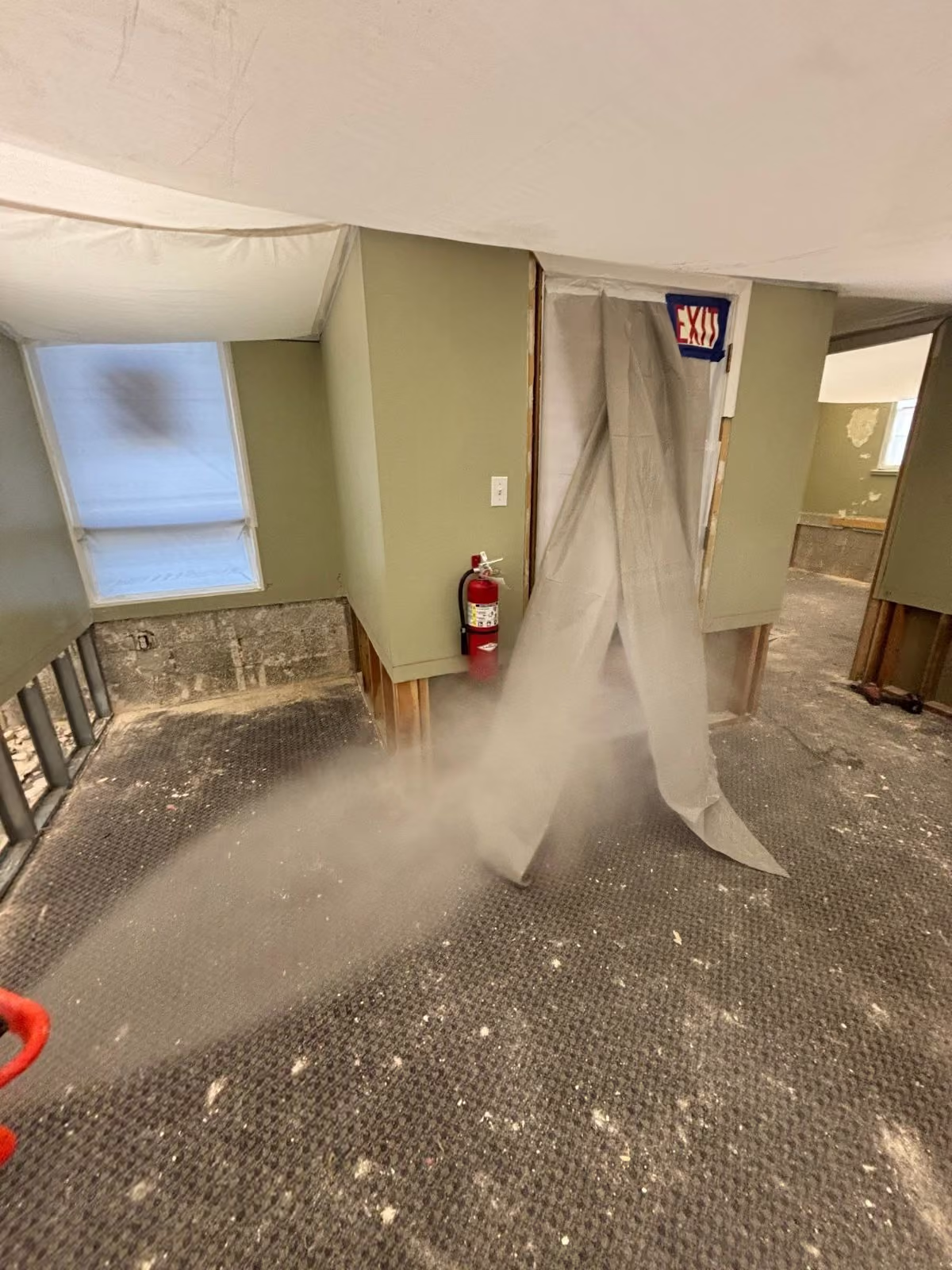
If a pipe freezes and splits in your Park City or Heber home while nobody is living there, the steps are the same every time: shut off the main, photograph everything before it is moved, and call your insurer and a mitigation company the same day. How smoothly the claim goes often depends on something settled long before the freeze: the conditions your policy sets for a home that sits empty.
This guide is for owners who spend weeks or months away in winter. It covers what to look for in your policy wording, what a caretaker check should include, what to do on the day someone finds water, and what you can handle from out of state. We'll help you navigate the claim from the first call, and the best time to read your policy is before the first cold snap, not after it.
Why a freeze in an empty house is a different claim
A frozen pipe in an occupied home usually announces itself. Someone hears the hiss or sees the stain, and the water is off within minutes. In a second home the same split can keep running until the next visit, and every hour adds to the job.
The water is the first problem. The second is time: mold can start growing within 48 to 72 hours of the water, and a freeze calls for action immediately, not at the next scheduled visit. The third is the question an adjuster will ask early: was the house being looked after the way the policy asked?
What the adjuster will want to know
That last question is why the paperwork matters as much as the plumbing. Expect to be asked when the house was last checked, what the thermostat was set to, whether the water was on or off, and who had access. Clear answers backed by dates and photos make a claim easier to handle. Gaps make it slower.
What to look for in your policy before you leave
Many homeowner's policies set conditions for a house that is unoccupied or vacant, and the wording changes from one insurer and one policy to the next. We can't tell you what yours says, and nobody should guess. What we can do is tell you what to look for, so the conversation with your agent is a short one.
Read these parts of your policy, or ask your agent to walk you through them:
- The definitions of unoccupied and vacant: some policies treat a furnished home nobody is staying in differently from an empty one, and the difference can change which conditions apply.
- Any time limit on being away: look for a number of days after which the conditions change, then count how long you will actually be gone this winter.
- The freezing condition: many policies tie freeze damage to steps such as keeping the heat on, shutting off and draining the water, or having someone check the house. Find out which steps yours names, and whether it asks for one of them or several.
- What reasonable care means for your home: if the wording is vague, ask your agent to say in plain terms what they would expect to see after a loss.
- Endorsements: ask whether a vacancy or unoccupancy endorsement is available for your situation and what it would change.
Write down the answers, with the date and the name of the person you spoke to. If the policy asks for regular checks, that note becomes the standard your caretaker works to.
What a caretaker check should cover
A caretaker check is only useful if it would catch a freeze early and leave a record. A walk to the front door and back does neither. Agree on a written routine with whoever looks after the house, whether that is a property manager, a neighbor or a paid property watch service.
How often to check
Set the schedule from your policy first, then tighten it for the weather. If the wording names an interval, meet it or beat it. Add an extra visit after any hard cold snap, any power outage in the area, and any heavy snow that could bury a furnace vent. A house that was fine on Monday can be in trouble by Wednesday if the power dropped overnight.
What to check on each visit
Ask the caretaker to work through the same list every time, so nothing depends on memory:
- Heat: confirm the furnace or boiler is running and the thermostat shows the setting you agreed on.
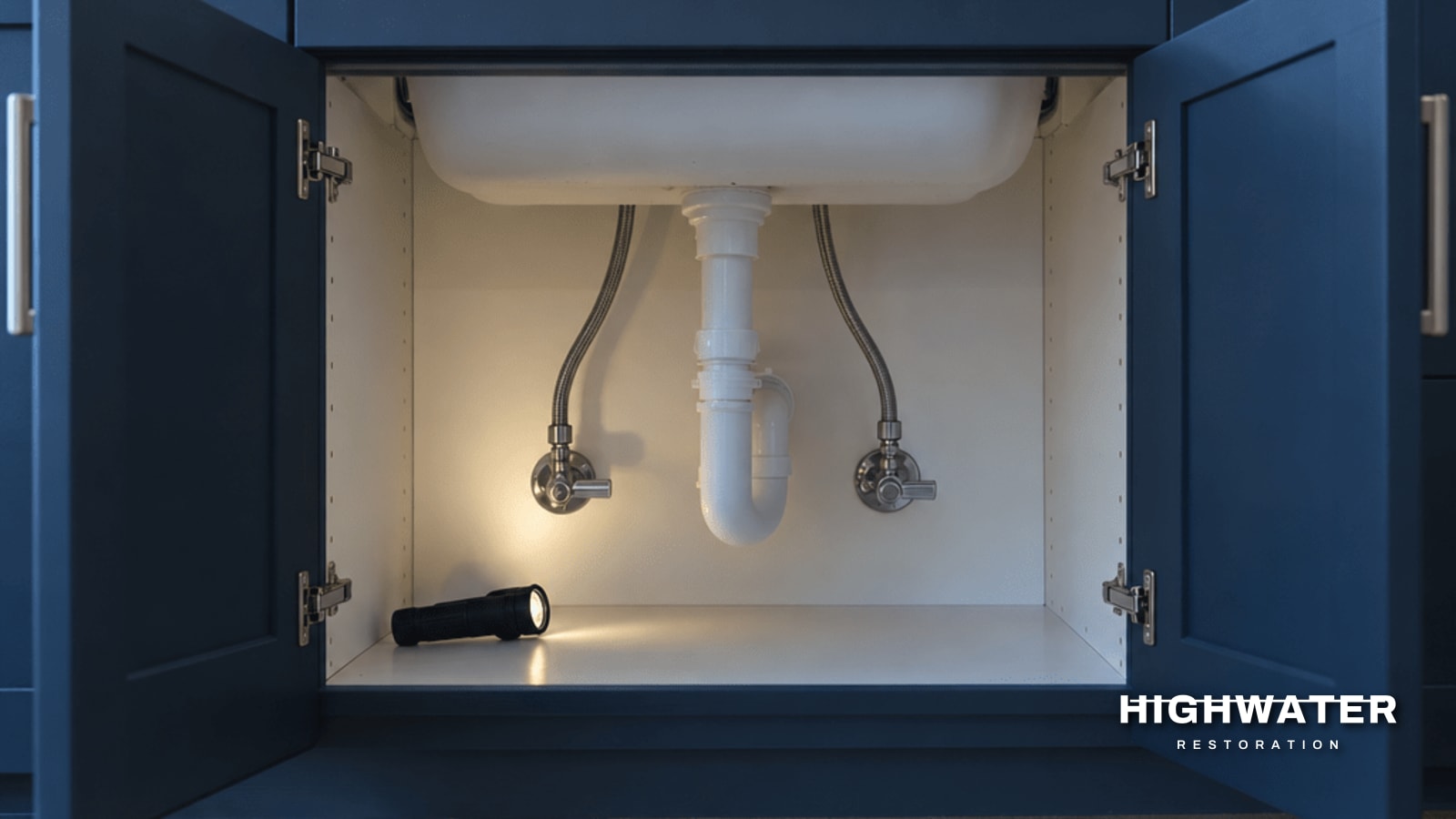
- Water: look and listen under sinks, behind the washer, around the water heater and at any plumbing on outside walls.
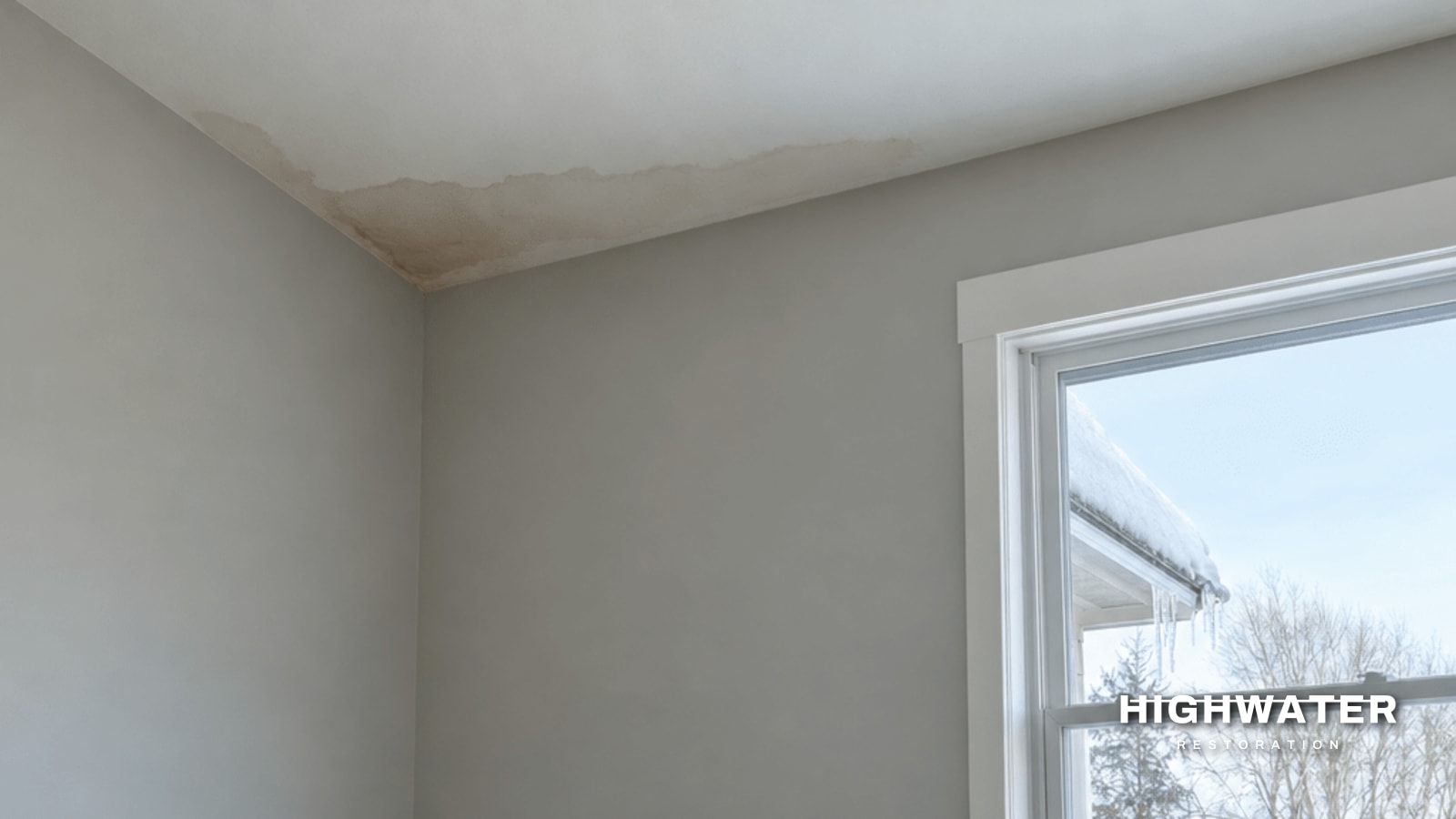
- Ceilings and walls: check for stains, bubbling paint or sagging drywall, especially below bathrooms and along exterior walls.
- The lowest level: look into the basement or crawl space, where water collects first.
- Vents: make sure snow has not covered the furnace and water heater vents.
- The record: take dated photos of the thermostat and a few key rooms, and send them to you the same day.
That last step matters more than it looks. A short message with a few photos after every visit builds the record an adjuster may ask for later.
The day someone finds water
When the caretaker or a neighbor walks in and finds water, the order of the next hour shapes everything after it. Share these steps with them now, before winter, so they are not working it out on the spot:
- Shut off the main: stop the water at the main valve first, and switch off power to any wet area if the panel can be reached safely.
- Photograph before anything moves: take wide photos of every affected room, then close-ups of the source, the water line on the walls and any damaged belongings.
- Call the insurer the same day: you or the caretaker can report it; write down the claim number and the adjuster's name.
- Call a mitigation company the same day: drying should start right away, because every hour the water sits adds to the damage you will be asked about.
- Keep a log: note who was in the house, when, and what they did.
For what to say once you are on the phone, see our guide to the first call to your insurer.
What you can handle from out of state
You do not need to be on a plane to manage this well. Most of the work in the first days is decisions and documentation, and both can be done from wherever you are.
Here is what stays with you, even from another state:
- Opening the claim: call your insurer, confirm who will meet the adjuster, and ask what they need from you.
- Authorizing the work: give the mitigation company written permission to start, and confirm who holds the keys.
- Reviewing the record: ask for daily photos, moisture readings and a video walkthrough, so you can follow the drying without being there.
- Keeping one thread: put the caretaker, the adjuster and the mitigation team on the same email thread, so nobody works from old information.
Coordinating with a caretaker or property manager, and sending photos and readings to an owner who is out of state, is part of how we work in Park City and Heber City.
If you have not yet set up leak alerts or an automatic shutoff, our post on the off-season water risk for Park City second homes covers that setup, and the October freeze checklist covers the prep that prevents most frozen pipes in the first place.
If you find water in your Park City, Heber City, Midway or Kamas home, call Highwater Restoration 24/7, and we'll help you navigate the claim from the first call.
Frequently asked questions
These are questions second-home owners often ask before they close up the house for winter.
Should I shut the water off at the main when I leave for the season?
Shutting off the main and draining the lines limits how much water can escape if a pipe splits, and some policies name it as one of the steps they look for. Check two things first: whether your heat runs on water, such as a boiler or radiant floor heat, and whether the house has fire sprinklers, because both may need the supply left on. A plumber can tell you what is safe to shut off in your house, and your agent can tell you what your policy expects.
Do you coordinate with my property manager or caretaker?
Yes. We work with whoever holds the keys, whether that is a property manager, a caretaker or a neighbor, and we keep you up to date with photos and readings at each step.
How will you show me what happened if I cannot fly out?
You get the record as it is made: photos of each room, moisture readings, and a video walkthrough if you want to see the house for yourself. That same record is what your adjuster works from.
Will mold have started before anyone found the leak?
It depends on how long the water sat. Mold can start growing within 48 to 72 hours of the water, which is why the first steps after a freeze happen immediately and drying starts the same day. Moisture readings show where the water went, so nothing about the extent of the damage is guessed.
Can you handle the insurance claim while I am not in Utah?
We'll help you navigate the claim from the first call. You stay the policyholder and make the decisions, and we give your adjuster the photos, readings and drying records they need, so you are not chasing paperwork from another state.